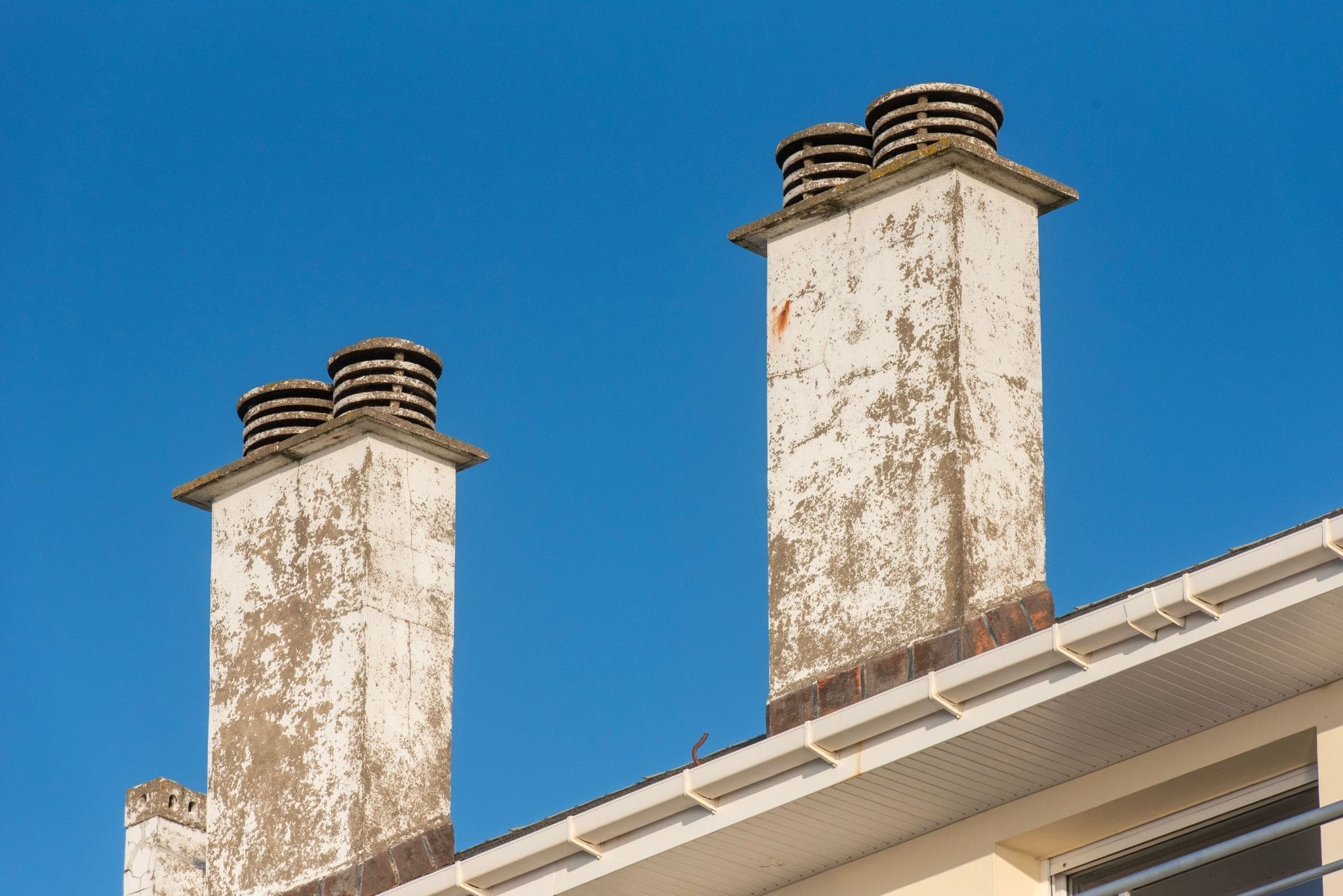
Chances are you've already got your chimney sweep on the calendar for this year. Good. But there's another vent in your house that almost nobody thinks about until something goes wrong with it, the one running from your dryer out to the side of your home.
We get asked about this a lot, usually after someone notices their towels aren't coming out warm anymore. So let's talk about it.
How often should you actually clean it?
Once a year is the general rule for most households. If you're doing multiple loads a day, or your vent run is long, more than 25 feet, say, or it snakes through a couple of bends before it hits fresh air, bump that up to twice a year.
Here's why it adds up faster than people expect: your lint trap catches most of the lint, but not all of it. A little bit slips past every single load and settles inside the ductwork. It doesn't take that long for "a little bit" to become a real problem.
Why this is actually a fire safety issue, not just a laundry inconvenience
Lint is dry, it's fine, and it burns fast. When it piles up inside a vent, airflow gets restricted, which means your dryer's heating element runs hotter and longer just to get the same job done. Hot elements, trapped lint, and poor airflow are the exact combination behind a lot of preventable house fires every year. It's not a rare fluke thing. It happens in homes where the vent just hasn't been touched in a while.
It's the same basic pattern we see with chimneys that get put off too long, small maintenance gaps quietly turning into real fire risk. We covered the chimney side of that here, if you want the fuller picture of how these things build up over time.
The signs are usually right in front of you
You don't need a technician to tell you something's off. Your dryer's already telling you:
- Clothes need two cycles to dry or come out still a little damp
- The laundry room gets weirdly warm while it's running
- There's a burning smell partway through a cycle
- The little flap on the outside vent barely flutters when the dryer's on
- Lint is visibly gathering around that outside opening
One of these on its own, maybe not a big deal. Two or more, and it's worth having someone actually check the whole run, not just the trap you empty after every load.
What it costs to have it done right
For a straightforward setup, a short, mostly straight run-out back wall; this isn't an expensive job. Where the price climbs is access. A vent that goes up through the attic and exits the roof, or one with several turns in it, takes longer to fully clear and sometimes needs specialized tools to reach every section. The cleaning itself is quick. Getting to the hard parts is what costs money.
Can you do this yourself?
Honestly, sometimes. If your run is short and straight, a basic vent brush kit from the hardware store will get you most of the way there. Disconnect it from the dryer, run the brush through from both ends, and vacuum up what falls out.
Where I'd stop trying to DIY it: long runs, roof exits, multiple bends, or any vent where you genuinely don't know what the full path looks like. Those setups hide buildup in spots you can't see or reach on your own, and a half-cleaned vent can actually be worse in a way your dryer seems to work fine again, so you stop worrying about it, and the real blockage further down stays put.
If you've never had it professionally cleaned and couldn't draw its layout from memory, that's your sign to call someone.
Frequently Asked Questions
How do I know if my dryer vent is clogged?
The biggest tell is clothes needing more than one cycle to dry, paired with the laundry room feeling unusually hot while it's running. If the outside vent flap isn't moving much when the dryer's on, that's another strong sign.
Can a dirty dryer vent cause a fire?
Yes, and it's one of the more common preventable causes of house fires. Trapped lint plus the extra heat from restricted airflow is a bad combination. Cleaning it annually cuts that risk down significantly.
How much does dryer vent cleaning cost?
Mostly depends on how long and complicated the run is. A short, straight vent costs less than one that goes through the roof or has several bends, since those take more time and often need extra equipment to reach.
Want your dryer vent checked before it turns into a bigger problem? Schedule a service call and we'll look at the whole run, not just what's visible in the laundry room.