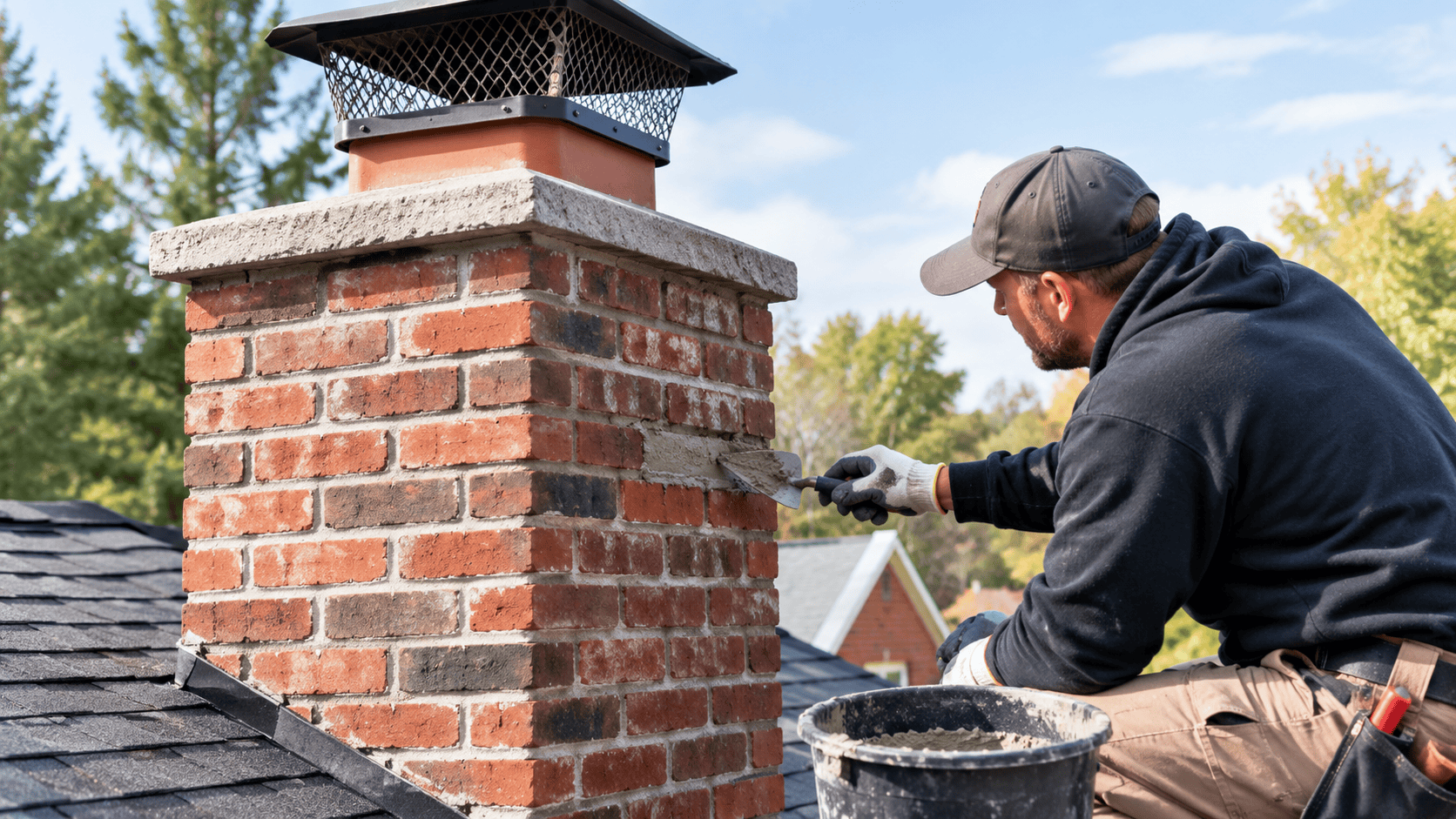
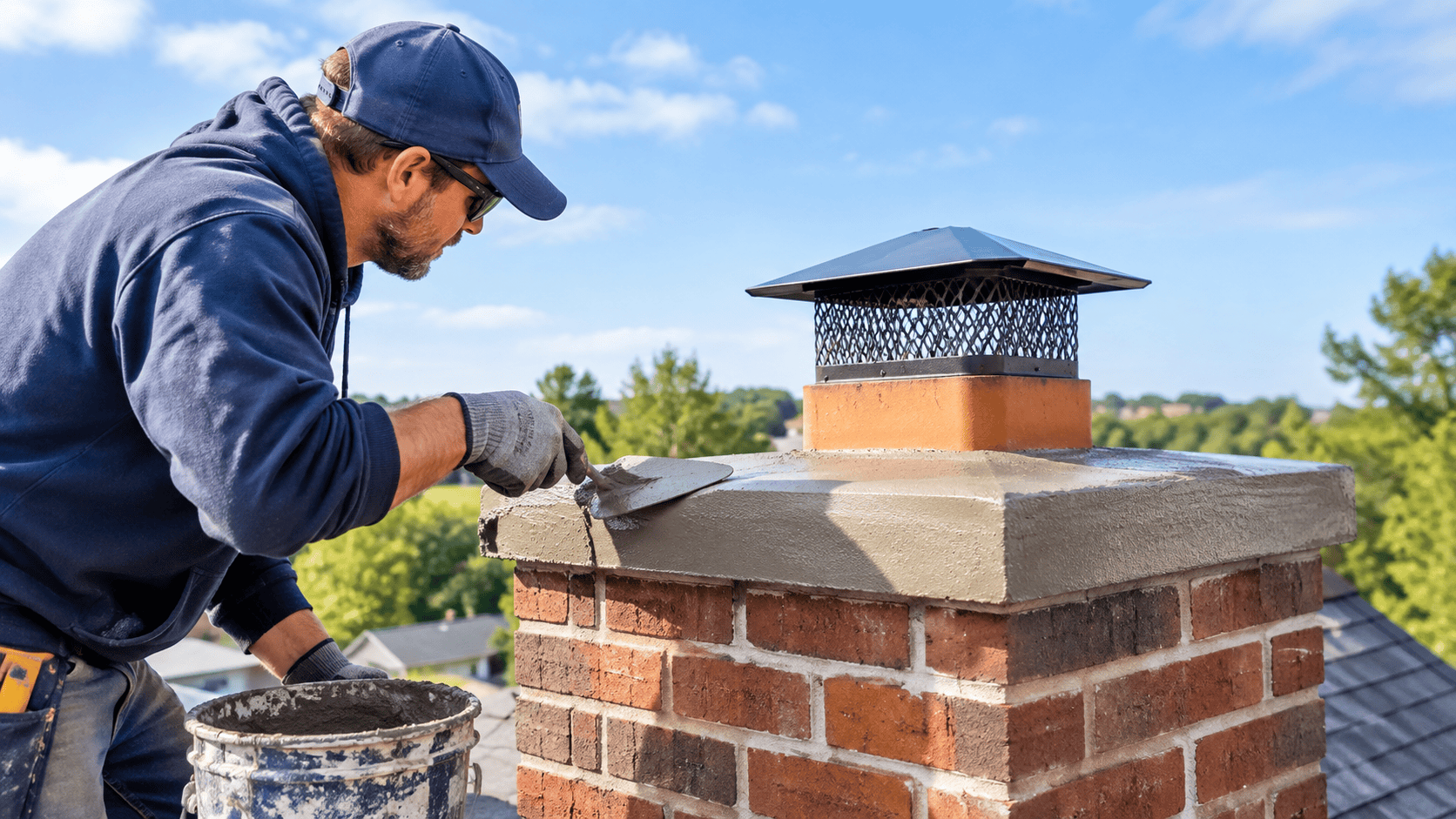
Nobody thinks about their chase cover until something goes wrong with it. It sits up on the roof, out of sight, doing its job until a rust streak shows up on the brick, or worse, a damp spot appears on the ceiling near the fireplace. By then, whatever's causing it has probably been going on for months.
In Maryland, that clock runs faster than most homeowners realize. Humid summers, hard winter freezes, and sudden storms, it's a lot for one piece of sheet metal to hold up against. If you've started looking into Chimney Chase Cover Services In Maryland, there's a decent chance you already suspect something's off. Worth understanding what this part does before deciding whether it needs a patch job or a full swap.
What Is a Chimney Chase Cover?
The chase cover is the metal cap on top of a chimney chase that's the boxed-in enclosure most factory-built chimneys have around the flue pipe. People sometimes mix it up with a chimney cap, but they're not the same thing. A cap sits directly over the flue opening. A chase cover is bigger, covering the whole top surface, with holes cut for wherever the flue pipe (or pipes) pass through.
It's pitched slightly so rain runs off rather than sitting there. Galvanized steel shows up most often. Copper, galvalume, and stainless steel are out there too, mostly depending on what a homeowner's willing to spend and how long they want it to hold up.
Why Chimney Chase Covers Matter
It doesn't look like much, but this is one of the most exposed parts of the whole chimney system. Once it fails—even just a pinhole from rust or a seam that's pulled apart, water gets into the chase. From there it's a short trip to rotted framing, corroded flue components, and mold growing somewhere nobody checks.
That's really the whole point of chimney protection. Not exciting, but it's the difference between a quick fix and a project that ends up involving drywall repair.
Signs Your Chase Cover Needs Attention
Rust is usually what people spot first, sometimes as a faint stain, sometimes looking like the chimney's bleeding orange down the side. Dents come next, often from a storm or a fallen branch, and they're a bigger deal than they look because even a small dent throws off drainage.
Harder to catch from ground level: loose seams, gaps where the cover's pulled away from its fasteners, and sections that flex in the wind. Inside the house, the tell is usually a water stain near the fireplace or up by the ceiling, and if it's gotten that far, water's already made its way past the cover.
None of this means panic. But it's worth a look. Chimney chase cover repair costs a lot less when it's caught early rather than after a full season of leaking.
Installation vs. Replacement
Comes down to age and condition, mostly.
New construction, or an older home that never had a proper cover to begin with, that's straightforward chimney maintenance. Same if someone's upgrading from a thin, low-grade cover to something sturdier.
Replacement is the conversation once the existing cover is rusted through, warped, or just past the point where patching makes sense. Most contractors will push for a custom chimney chase cover at that stage built to the exact chimney, not some generic stock size, since a bad fit is often what caused the original failure.
Why Hire a Professional
This isn't really a weekend-project kind of job. Get the measurements off by even half an inch, and you've got a gap that undoes the whole thing.
A pro fits the cover to that specific chimney. Picks a material that actually fits the home's exposure instead of whatever's cheapest on the shelf. Gets the slope, the overhang, the sealing around flue penetrations—right small details, but they're the difference between a cover lasting fifteen years or failing in three. And usually, having someone up there means they'll flag a loose flashing seam or cracking mortar before it turns into its own separate repair bill.
Maryland’s Weather Doesn’t Help
Freeze-thaw cycles all winter, humidity the rest of the year, and a few good storms mixed in—none of it is kind to a chase cover. Wears them down faster than a milder climate would.
A lot of homeowners end up scheduling a look in the fall. Makes sense; it's a much easier fix in October than in the middle of a January freeze with ice already sitting on the roof.
Why MCP Chimney & Masonry
MCP Chimney Services, Inc. has worked on chimneys across Maryland long enough to know how the local climate actually wears these systems down, not from a textbook, but from replacing enough failed covers to see the pattern repeat. It shows in how the team measures, what materials they steer people toward, and how the whole job gets approached. Chase cover or bigger masonry project, same idea: get it right the first time.
Conclusion
It's easy to ignore a chase cover until it's the reason for a much bigger repair. Rust, dents, gaps, and water stains that weren't there last year, any of that is worth having someone check out before the next round of weather makes it worse.
For expert Chimney Services In Maryland, MCP Chimney & Masonry can take a look and tell you straight whether it's a repair, a replacement, or a new install.
Frequently Asked Questions
How long does a chimney chase cover typically last?
Most last somewhere between 10 and 20 years, depending on the material. Galvanized steel tends to wear out faster than copper or stainless steel, especially with Maryland's freeze-thaw winters.
Can I repair a chase cover myself instead of hiring a professional?
Minor issues might tempt a DIY fix, but improper sealing or an ill-fitting patch often makes things worse. Given the roof access and precise measurements involved, it's safer to have a professional handle it.
How do I know if I need a repair or a full replacement?
Small dents or minor rust spots can often be repaired. But if there's widespread corrosion, warping, or the cover is old and brittle, replacement is usually the more cost-effective long-term option.
Does homeowners insurance cover chase cover damage?
It depends on the cause. Storm or wind damage may be covered, but wear-and-tear from age typically isn't. Check your policy or ask your insurance provider directly
How long does fireplace installation take?
Timing depends on the system, prep work, and any masonry or structural changes needed.
How often should a chase cover be inspected?
Once a year is a good rule of thumb, ideally in the fall before winter weather sets in. After major storms, it's also worth a quick visual check for dents or shifted sections.