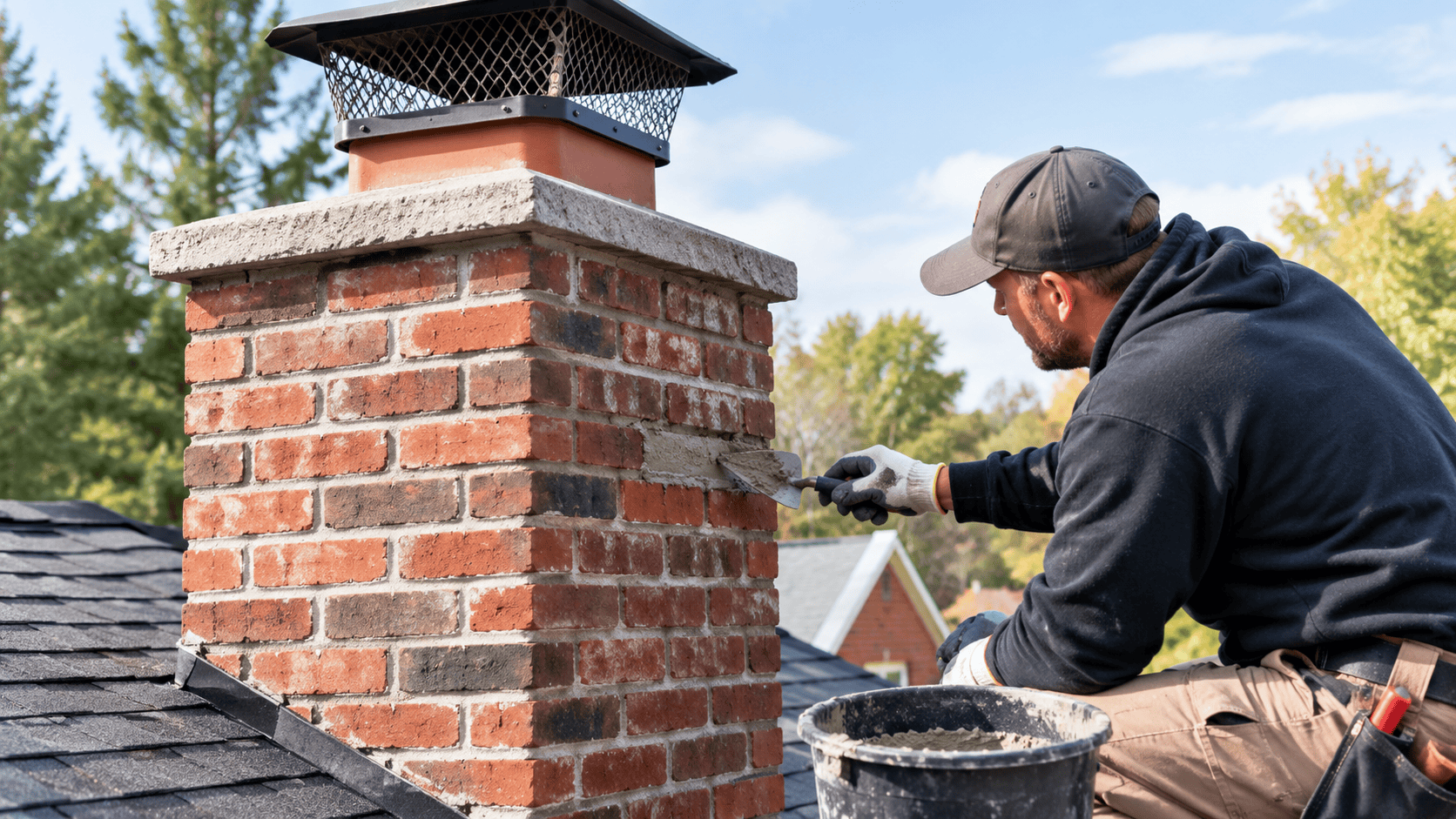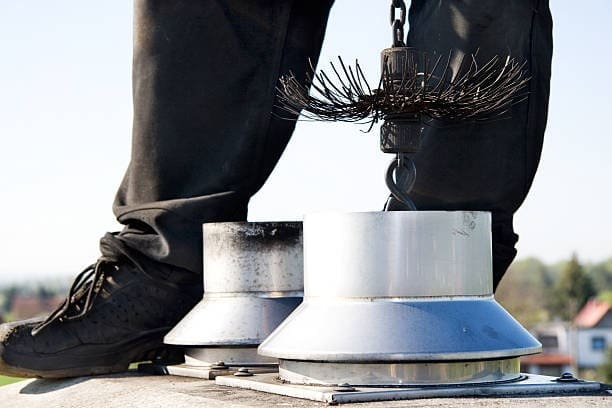
This is probably the number one question we field once fall rolls around: "How often do I actually need to do this?" Fair question. The honest answer depends on how much you burn, but there's a real number behind it, not just a vague "once a year, probably."
So, how often?
Once a year is the standard, and it's not a made-up rule; it comes from the National Fire Protection Association's guidelines for solid-fuel appliances. If you're burning heavily, several nights a week all winter long, you might need a mid-season sweep too. Gas fireplaces are a different story; they don't build up creosote the same way wood does, so they need far less frequent sweeping, though the venting itself is still worth an annual look.
Here's the simplest way to think about it: if you used your fireplace regularly last winter, get it swept before you fire it up again this year. Don't wait until something's obviously wrong.
What does it actually cost?
For a chimney with normal buildup, this is a pretty predictable expense. A few things push the price up:
- Heavy creosote from a chimney that's gone a couple years without cleaning
- More than one flue: a fireplace and a furnace flue, say
- A chimney that's tough to get to, especially on a steep or multi-story roof
- Animals that got in and need to be cleared out first
If it's been a while since your last sweep, plan for the higher end of that range. Heavier buildup just takes more time to clear safely, and that time is what you're paying for.
Signs you’re already overdue
You don't have to track an anniversary date on your calendar. Your fireplace will tell you:
- A smoky smell even when nothing's burning
- Smoke backing up into the room instead of drawing up the flue properly
- Black, flaky, or tar-like buildup you can see inside the firebox
- Scratching sounds, which usually means something moved in over the summer
Any one of those means it's time, whenever your "official" schedule says otherwise.
What’s actually included in a sweep
A standard sweep cleans the flue and the smoke chamber above the firebox and includes a quick visual look at the firebox for anything obviously wrong. That's it, though, and this is a distinction worth knowing, because a sweep alone won't catch a cracked liner or a deteriorating crown. That's a different service.
Worth knowing too: how fast that buildup comes back depends a lot on what and how you're burning. If you're going through sweeps faster than once a year, here's what's likely driving heavier creosote buildup and how to slow it down.
Sweep vs. inspection: people mix these up constantly
A sweep cleans. An inspection evaluates. They often happen on the same visit, but they're not interchangeable, and it matters if you're buying a home, haven't used the fireplace in years, or just had a small chimney fire. There are actually three levels of inspection, each covering different ground. We broke those down here so you know which one fits your situation before you book.
Frequently Asked Questions
How often should you get your chimney swept?
Once a year for regular wood-burning use, per NFPA guidance. Heavier users might need it twice. Gas fireplaces need less frequent sweeping but should still get an annual venting check.
Is a chimney sweep the same as an inspection?
No. A sweep removes soot and creosote. An inspection checks the condition of the flue, liner, and crown. A lot of homeowners get both done together, but they're separate services doing different jobs.
What time of year should you get your chimney swept?
Late summer or early fall, before the season really kicks off. Booking early also means you're not fighting for an appointment slot once the weather turns and everyone remembers at once.
Due for your annual sweep? Schedule a chimney sweep now, before the fall rush hits.