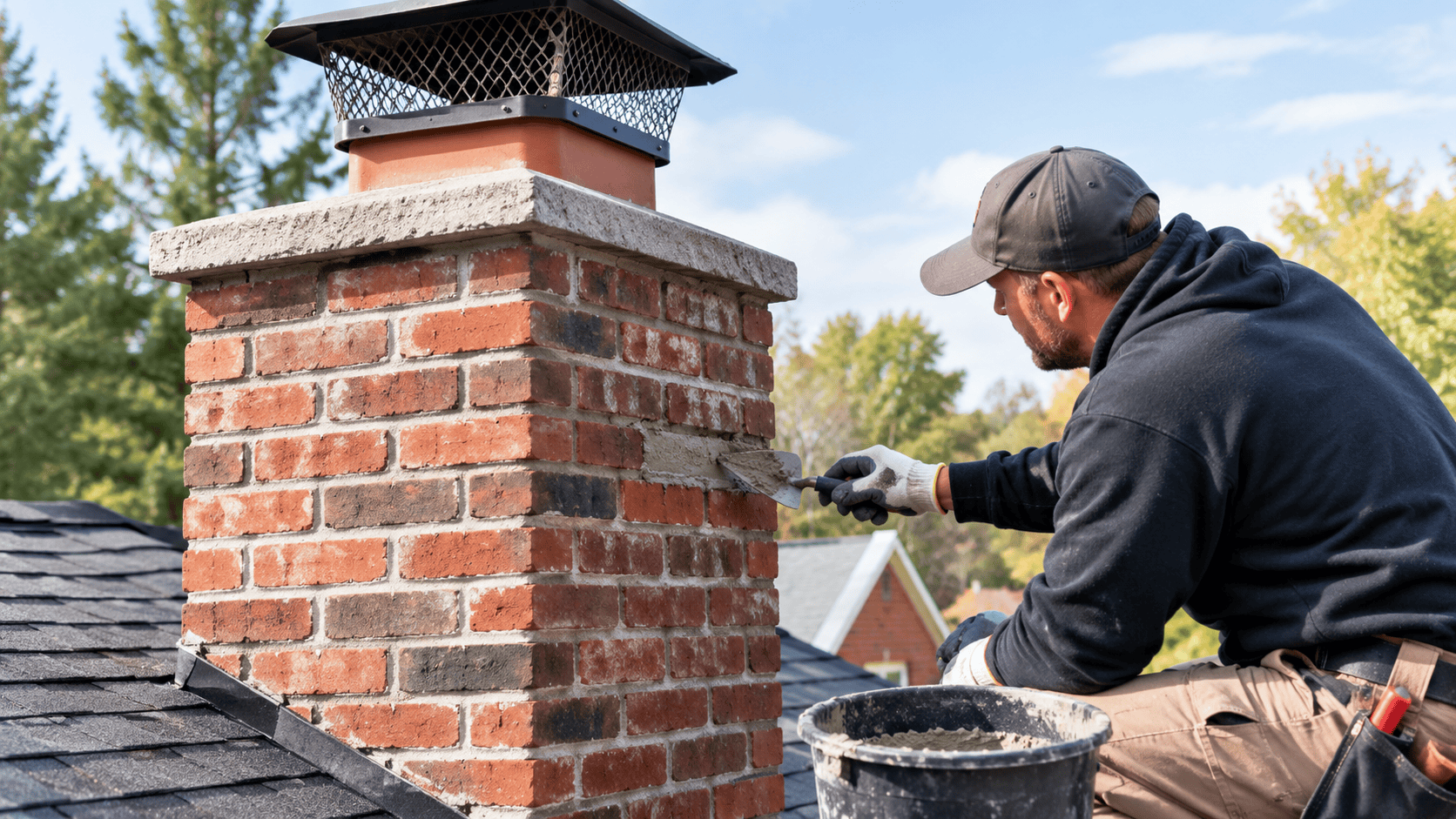
If a roofer or chimney contractor has ever mentioned a "cricket" on your roof and you pictured an actual bug, don't worry, you're not the first person to be thrown by that one. It's just an oddly named little structure, and it can genuinely be the difference between a dry attic and a slow leak that costs you thousands down the road.
Okay, so what is it?
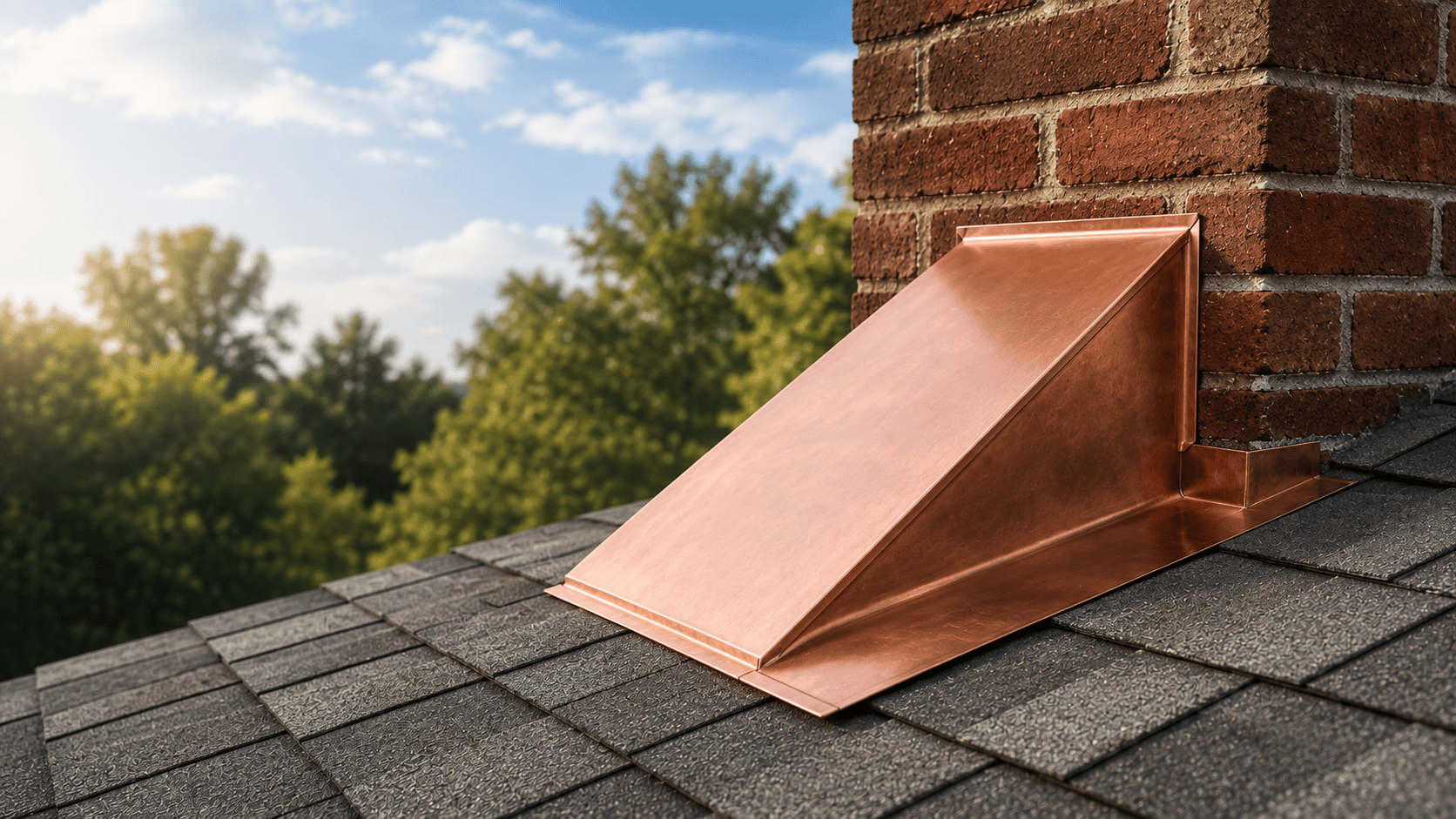
A chimney cricket, sometimes called a saddle, is a small peaked structure built into the roof right behind the chimney, on the uphill side. Picture a miniature roof ridge tucked in there. Its entire job is to split rain and snow so water flows around the chimney instead of pooling against the back of it.
Without one, every time it rains or snows, water and debris leave, pine needles, and whatever's blowing around collect right in that gap between the chimney and the roof.
Why some chimneys need one and others just don’t
It mostly comes down to width. Most building codes call for a cricket on any chimney wider than 30 inches, measured along the roofline, when it's sitting on a sloped roof. Narrower chimneys tend to shed water fine without any help, since there's less flat surface behind them for water to sit on.
If your chimney's on the wider side and it's set partway up a sloped roof rather than right at the ridge, it's worth actually checking whether a cricket is there. Older homes especially, sometimes builders skipped it even when the chimney technically called for one.
What happens if you don’t have one
This is the part that catches people off guard, because it usually doesn't show up as a dramatic leak right away. It's slower than that. Water pools behind the chimney, debris builds up and holds moisture against the roofing and flashing, and that flashing starts corroding or lifting faster than it would anywhere else on the roof. Eventually water finds its way under the shingles and into the deck below.
By the time you notice a stain on the ceiling, that process has usually been quietly working for a while already. And it's not just the roof that pays for it; chimneys that sit in standing water year after year deteriorate faster than ones that stay dry, which is exactly the kind of damage that pushes a chimney from "needs a repair" into "needs a rebuild." If you're trying to figure out which category yours falls into, we've laid out the signs to look for here.
How do you know if you need one?
- Water or debris visibly collects behind the chimney after it rains
- You've had the flashing repaired in that same spot more than once
- There's a water stain on the ceiling near where the chimney comes through the roof
- Your chimney's wider than roughly 30 inches and sits on a sloped roof, not at the ridge
What it costs to add one
Pricing depends on how wide the chimney is, how steep the roof is, and whether you're going with a metal cricket or something built to match the masonry. Steeper roofs and wider chimneys both add more complexity and more structure to build and more flashing to get right. A metal cricket tends to be the more affordable route and works just as well for keeping water moving where it's supposed to.
Frequently Asked Questions
What is a cricket on a chimney?
A small peaked structure built into the roof behind a chimney, meant to redirect water and debris around it instead of letting it pool against the back wall.
Does my chimney need a cricket?
If it's wider than about 30 inches and sits on a sloped roof instead of at the ridge, code typically requires one. Older homes sometimes go without, even when they should have it.
What happens if a chimney doesn't have a cricket when it needs one?
Water and debris build up behind it, which speeds up flashing failure and can eventually lead to roof deck rot and interior water damage often well before there's an obvious leak.
Not sure if your chimney needs a cricket? Request an estimate, and we'll check your roofline and flashing while we're up there.