Cold nights in Maryland have a way of making a fireplace feel non-negotiable. But every fire that burns leaves something behind: soot clinging to the flue walls, ash settling in corners, and creosote building layer by layer. Most homeowners don't think about any of it until a fire won't draw right, or worse, until something actually goes wrong.
This is where Chimney Sweep Services in Maryland tend to come into the picture. Between humid summers and the freeze-thaw cycles of winter, the region isn't gentle on masonry or flue liners. A chimney that looked fine in April can develop real issues by December, which is part of why so many local homeowners don't wait until problems are obvious before calling someone out.
Why Regular Chimney Sweeping Matters
Wood doesn't burn cleanly, not entirely. Smoke carries unburned particles upward, and as it cools inside the flue, some of it sticks. That's creosote: tar-like, stubborn, and, in enough quantity, genuinely dangerous because it's flammable. Ash and soot pile up too, just less dramatically.
None of this happens overnight. It's cumulative. A flue that gets swept regularly stays open and functional; one that doesn't can become dangerously narrowed, leaving less room for smoke and gases to escape.
Common Signs Your Chimney Needs Cleaning
A few things tend to show up before a chimney gets seriously compromised, and most of them are things anyone can notice without climbing onto a roof:
- Soot or dark residue near the fireplace opening or damper
- A smoky smell that lingers, especially when it's humid out
- Weak draft, smoke seems reluctant to rise
- Smoke drifting back into the room instead of up the chimney
- Flaky or tar-like deposits visible with a flashlight
- Twigs, leaves, or nesting debris landing in the firebox
One of these alone might not mean much. Several at once usually does.
How Professional Chimney Sweeping Supports Fireplace Safety
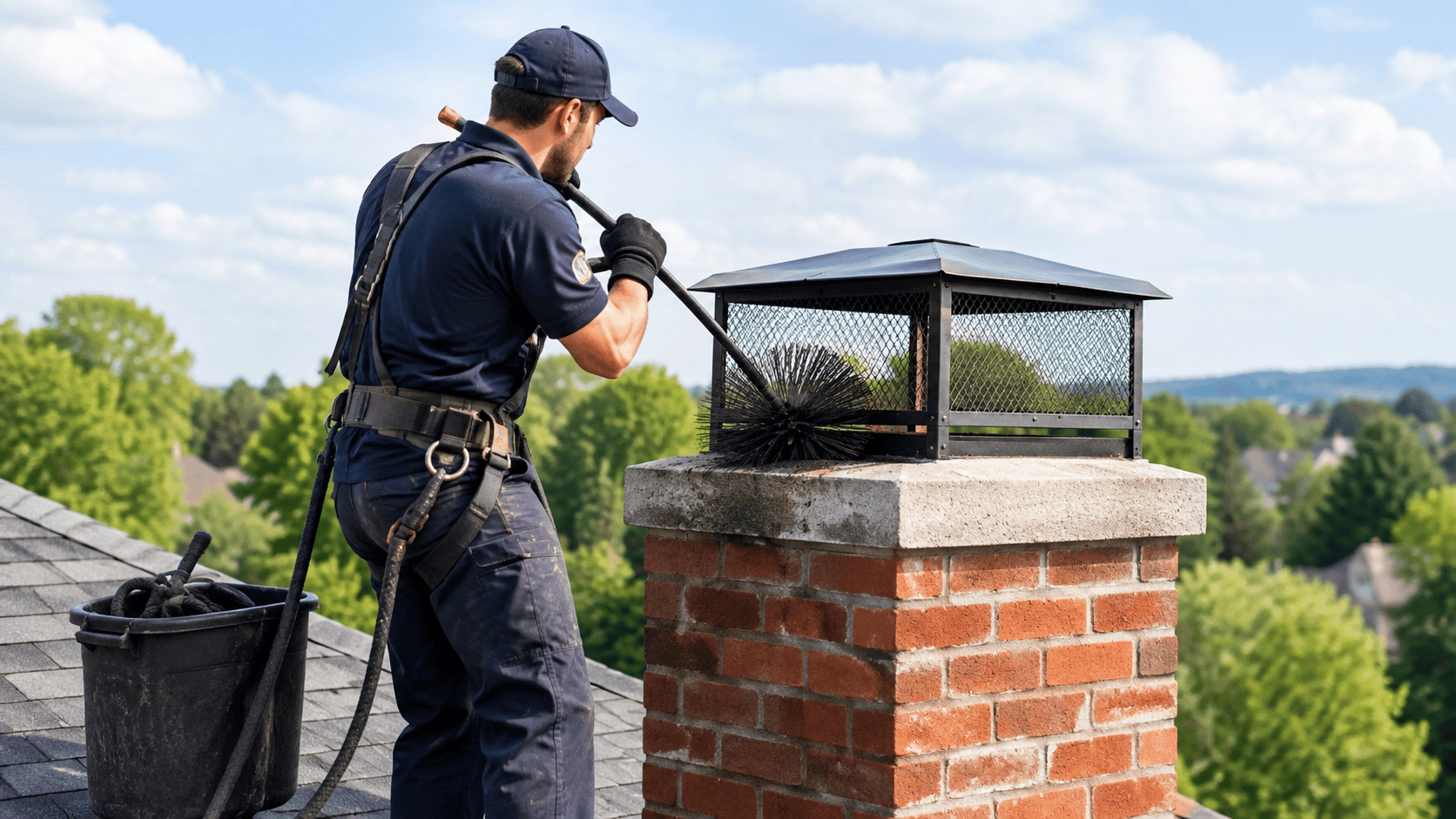
Getting a flue properly clean takes more than a long brush and good intentions. It requires reaching the full length of the chimney — something most homeowners can't do safely or effectively on their own — and clearing out what's accumulated: soot, hardened creosote, and whatever debris has found its way in.
The payoff isn't just a cleaner-looking firebox. Proper airflow gets restored, combustion byproducts vent the way they're supposed to, and there's simply less flammable material sitting inside the chimney waiting for a spark. It also gives whoever's doing the work a direct look at the interior — which is often where early warning signs show up first.
The Role of Chimney Inspection Services
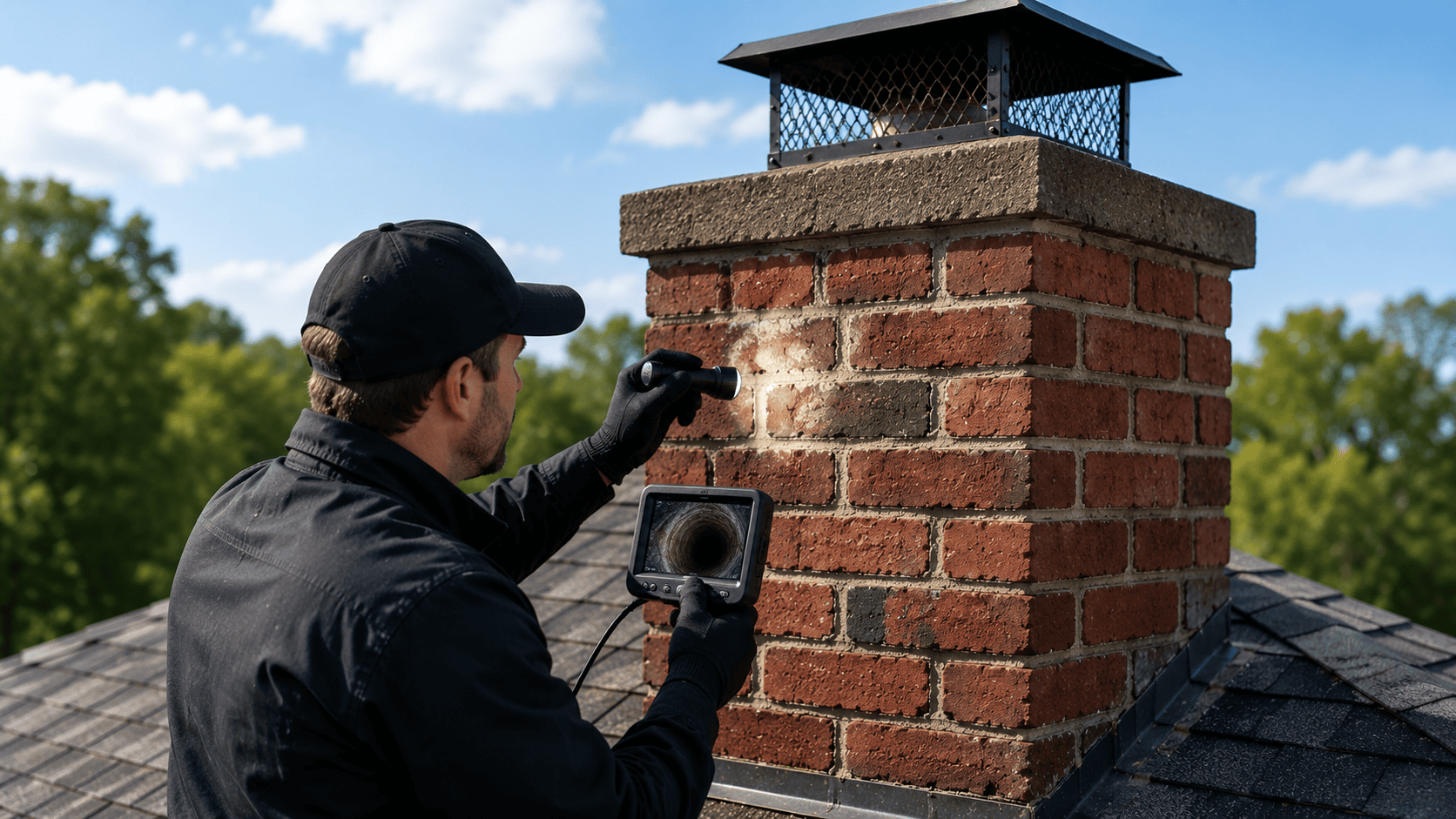
Sweeping and inspecting aren't the same task, even though they usually happen together. Sweeping clears out what's inside the flue. Inspection is about the structure itself — what's holding up, what isn't.
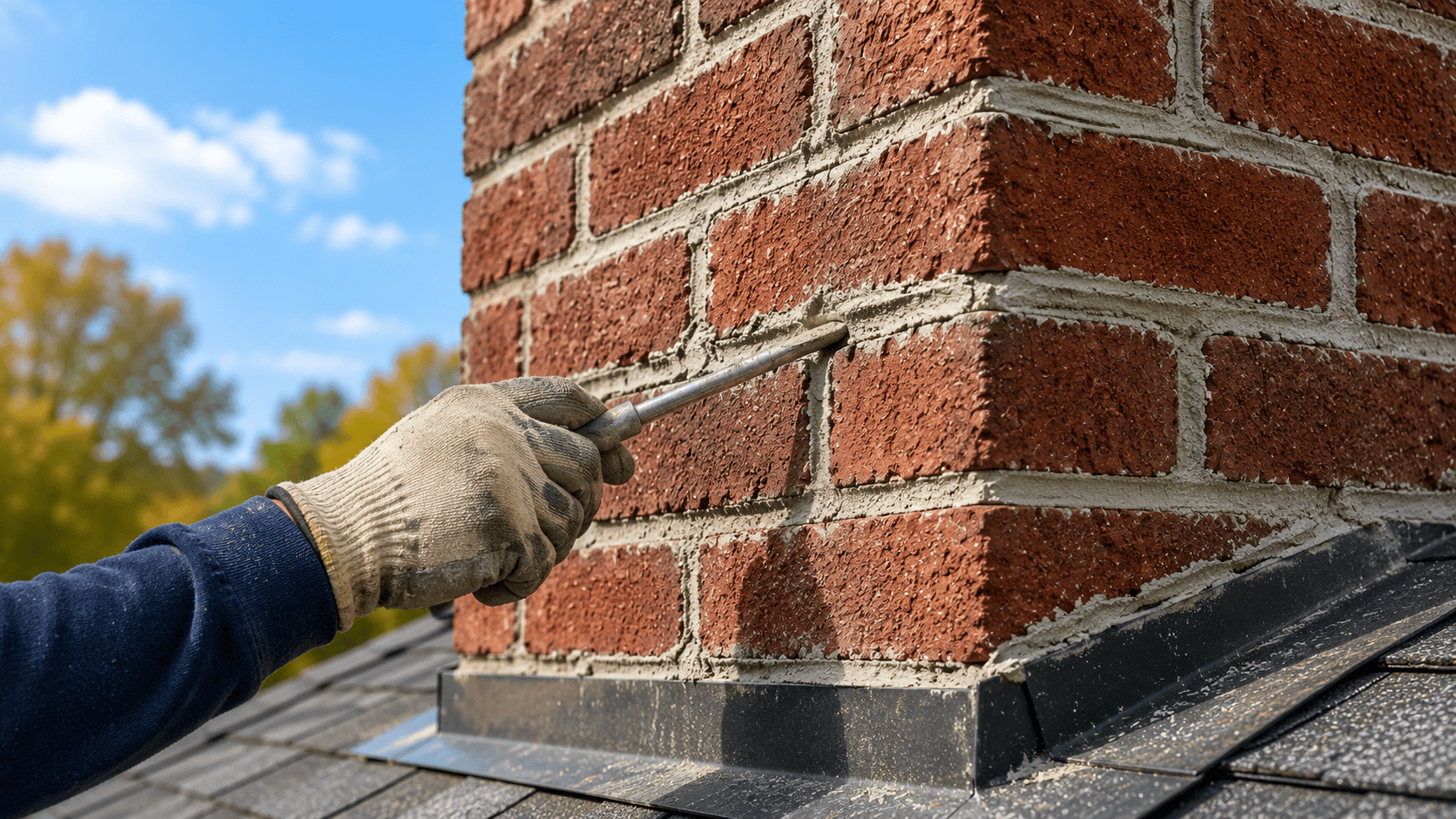
Chimney Inspections Services generally look at things like cracked masonry, a deteriorating flue liner, gaps around the crown, or blockages from nests or shifting debris. A lot of this simply isn't visible from ground level, standing in front of the fireplace. A hairline crack in a liner, for example, might only turn up with the right tools and someone who knows what they're looking for. Finding it early usually means a smaller fix instead of a bigger one later.
Why Chimney Cap Services Matter
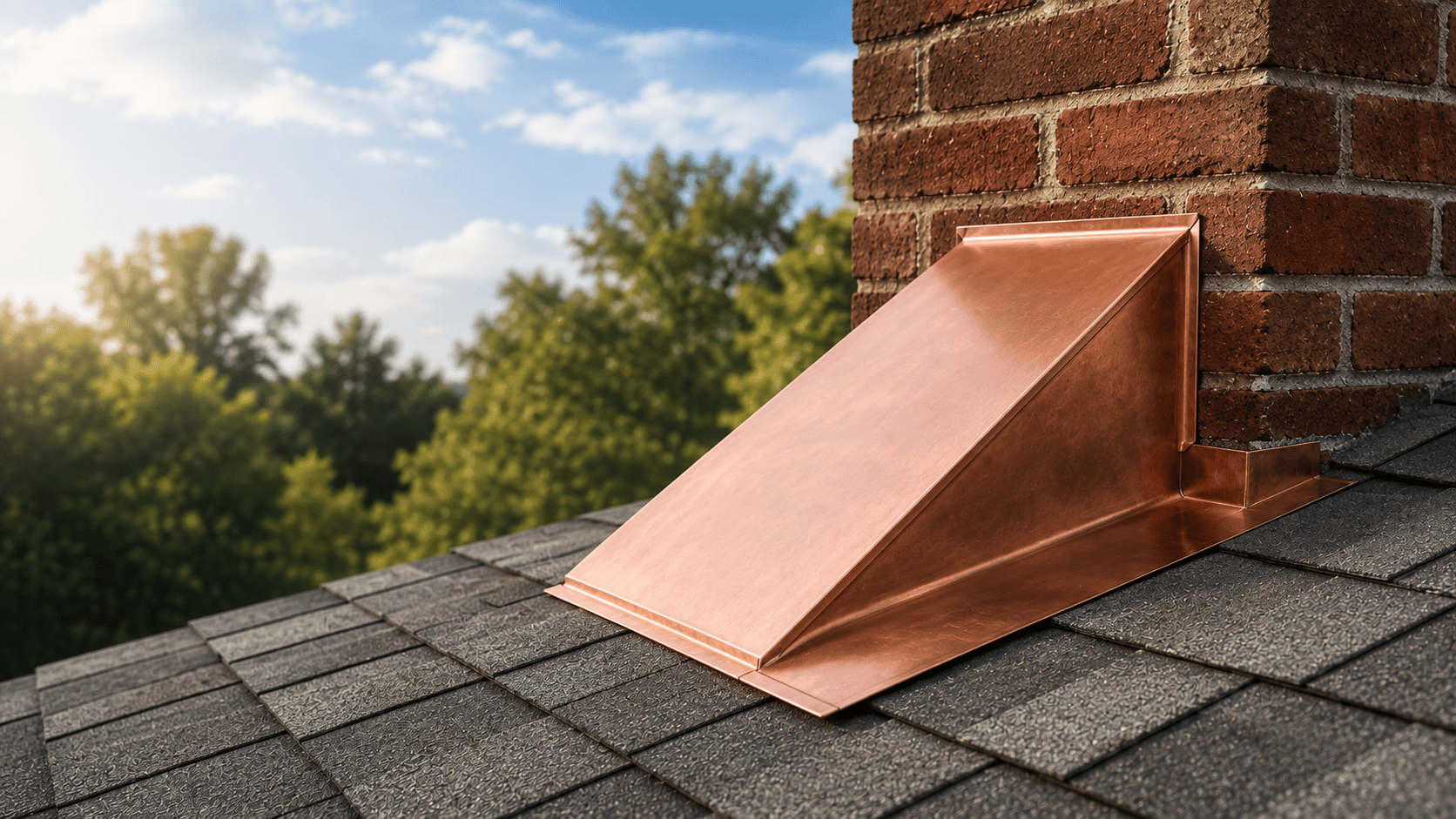
It's easy to overlook a chimney cap — it sits out of sight, doing its job quietly. But that small piece of metal at the top of the flue is doing real work: keeping rain out, keeping snow out, and keeping leaves and the occasional curious animal from making their way inside. In Maryland, where storms roll through regularly and wildlife isn't shy, that matters more than people usually assume.
Caps rust. They loosen. Older masonry chimneys especially tend to have caps that have seen better days. Chimney Cap Services address exactly this — sometimes that means chimney cap replacement, particularly once rust has set in, and sometimes it means chimney cap installation across Howard County for a home that never had one to begin with, which happens more often than you'd think, especially with older properties.
Benefits of Regular Chimney Maintenance
Staying on top of chimney care isn't just about avoiding worst-case scenarios. It tends to show up in smaller, everyday ways too.
- Chimney passages that stay clear and functional
- Fireplace maintenance that doesn't fall behind
- Less soot and creosote piling up between cleanings
- Better protection against rain, leaves, and animal intrusion
- Problems getting caught while they're still small
- A chimney system that holds up better over the years
How Often Should a Chimney Be Swept?
There's no single number that fits every household — despite how often people ask for one. It really comes down to how much the fireplace gets used, what kind of wood is being burnt, how the fires are managed, and how quickly creosote tends to build up as a result.
A family burning fires most winter nights is going to need attention more often than someone who lights one occasionally around the holidays. Wet or unseasoned wood also produces more creosote than well-dried hardwood, which can shift things considerably. Rather than sticking to a fixed calendar, it usually makes more sense to have someone assess the actual buildup and go from there.
Simple Chimney Maintenance Tips for Homeowners
A few habits go a long way between professional visits:
- Get inspections done on a routine basis: ideally before winter use ramps up
- Leave soot and creosote removal to someone equipped for it, rather than scraping at it yourself
- Glance at the chimney cap now and then for rust or blockage
- Take unusual smells or smoke behaviour seriously instead of brushing them off
- Deal with visible cracks or damage sooner rather than later
- Skip burning trash, cardboard, or treated wood; it speeds up creosote buildup and can damage the flue
None of this requires special skill. Mostly just paying attention and actually acting on what gets noticed.
Professional Chimney Services in Maryland
Fireplace safety isn't really one task — it's several smaller ones working together. Regular sweeping, honest inspection, a cap that's actually doing its job, and homeowners who don't ignore the small warning signs. Skip one piece, and the rest doesn't carry as much weight.
MCP Chimney & Masonry works with Maryland homeowners on exactly this — sweeping, inspections, and chimney cap services suited to what the region's climate and older housing stock tend to throw at a chimney over time. More details are available at mcpchimneyservices.com for anyone weighing what their own chimney might need.
Frequently Asked Questions
How often should a chimney be swept?
Depends on how much you use it and what you're burning; some homes need it yearly; others can stretch longer between chimney cleaning services.
Is a chimney sweep the same as an inspection?
Not really. A sweep clears out soot and creosote; an inspection looks at the actual condition of the flue and masonry.
Do chimney caps make much difference?
More than people expect — they keep rain, animals, and debris from getting into the flue in the first place.
What usually tips people off that cleaning is overdue?
Soot around the opening, a smoky smell, a sluggish draught, or smoke that keeps drifting back into the room.
Is DIY chimney care enough on its own?
For a quick visual check, sure — but the actual cleaning and inspection really need someone with the right tools and training.