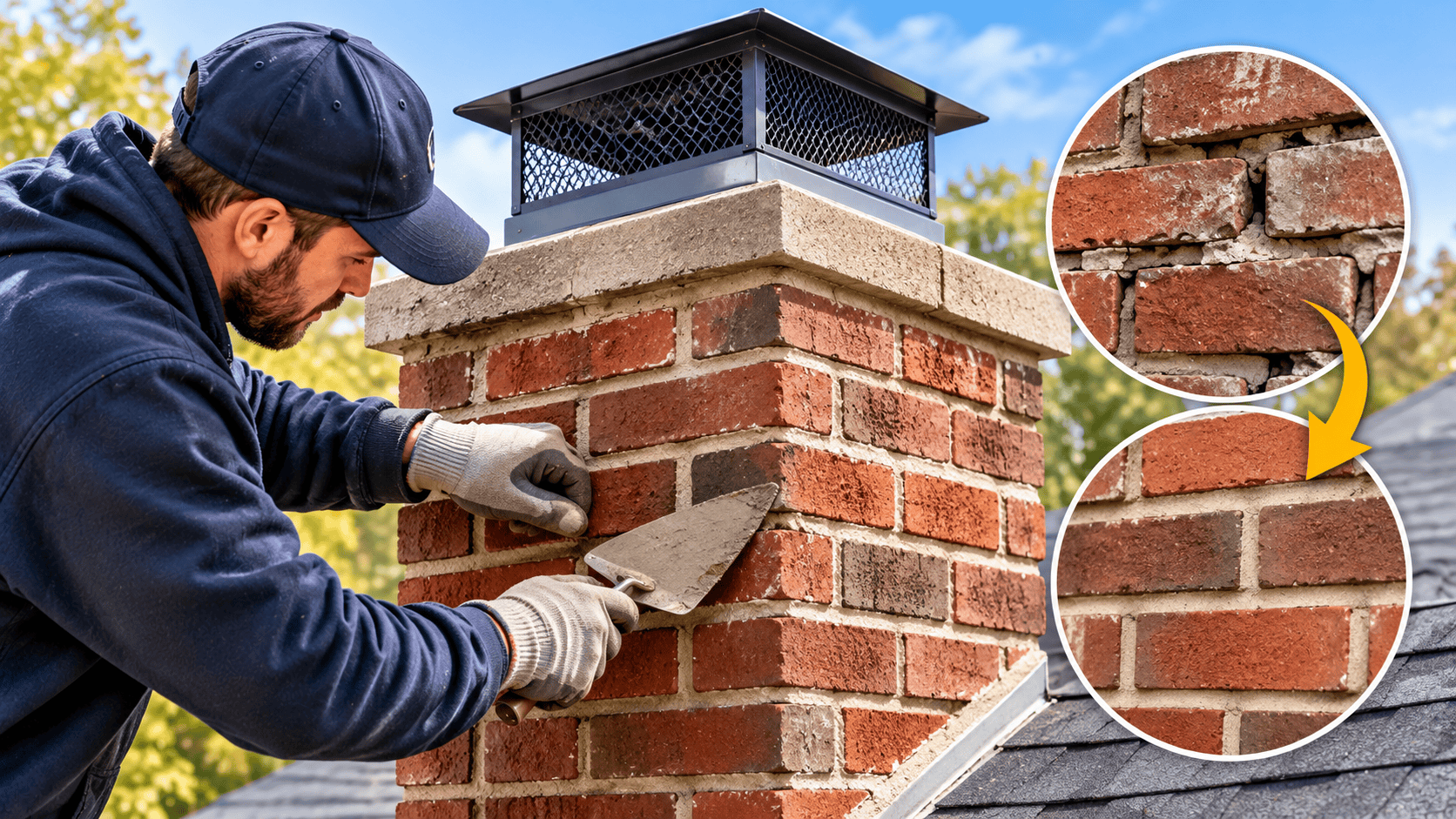
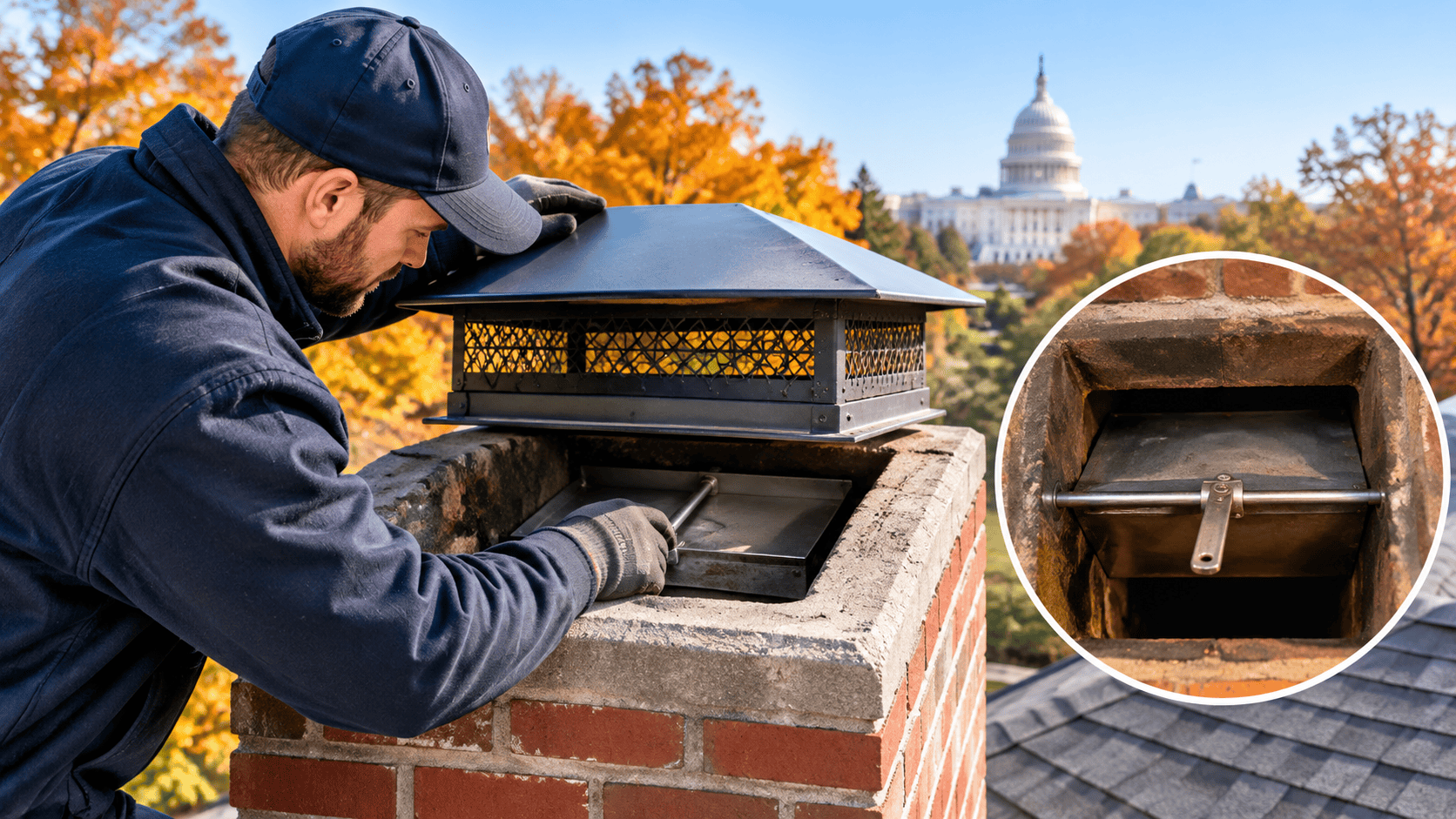
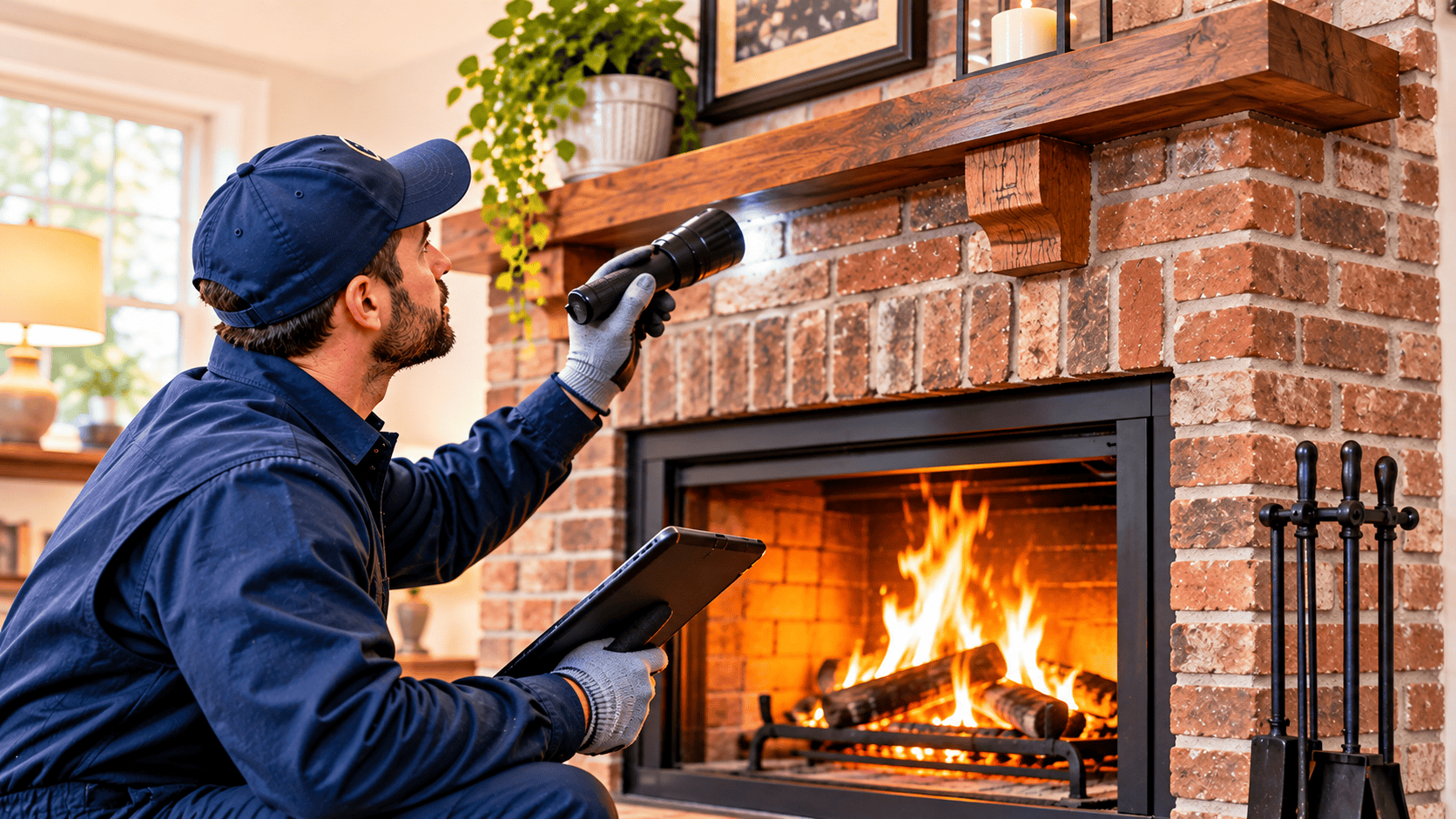
A chimney chase cover is the large metal cap that sits on top of a prefabricated chimney chase, the framed enclosure that surrounds a factory-built flue. It looks like a simple sheet of metal, but it is the first line of defense against rain, snow, ice, and debris. When it is installed correctly, water runs off and away from your roof. When it fails, moisture finds its way into places you cannot easily see.
For homeowners searching for a dependable Chase Cover in Maryland, the stakes are real. Our state swings between humid summers, heavy storms, freezing winters, and everything in between. A cover that is rusted, loose, or poorly fitted will not hold up to that cycle for long. Understanding how the cover works, and when it needs attention, can save you from costly structural repairs down the road.
What Is a Chimney Chase Cover and Why Does Your Home Need One?
Many newer Maryland homes use a prefabricated (factory-built) fireplace rather than a traditional brick-and-mortar one. The flue pipe is enclosed in a wood-framed chase, usually finished with siding or stucco. The chase cover rests across the top of that enclosure, with the flue pipe passing through an opening in the center.
Its job is straightforward: keep water out of the chase. Without a solid cover, rain and melting snow can soak the framing, insulation, and sheathing underneath.
A quality cover typically features:
- A slight slope or pitch so water sheds instead of pooling
- Drip edges that direct runoff away from the siding
- Tight, sealed seams around the flue collar
- A snug fit that matches the exact dimensions of your chase
Professional chimney chase cover installation also means correct flashing, proper sealants, and secure fasteners, details that separate a cover that lasts decades from one that fails in a few seasons.
How Chase Cover in Maryland Protects Your Home
Maryland weather is hard on exterior materials. Spring downpours, summer thunderstorms, nor'easters, and repeated freeze-thaw cycles all put stress on your chimney. A properly fitted cover provides essential chimney water protection by blocking moisture before it reaches the structure.
Here is what a well-installed cover helps prevent:
- Water leaks: Sealed seams and a tight flue collar stop rain from dripping into the chase and, eventually, into your living space.
- Rust and corrosion: Moisture trapped around the flue and metal components speeds up deterioration.
- Chimney moisture damage: Wet framing can lead to rot, mold, peeling paint, and damaged drywall.
- Freeze-thaw damage: Water that seeps in and freezes can widen gaps and warp the cover itself.
Think of it as effective chimney leak prevention that works quietly every day. Because the damage often happens out of sight, many homeowners do not notice a problem until the repair has grown much larger.
Common Signs Your Chimney Chase Cover Needs Repair or Replacement
Catching problems early keeps chimney chase cover repair simple and affordable. Watch for these warning signs:
Rust and Corrosion
A rusted chimney chase cover is one of the most visible red flags. Orange streaks running down the siding or stucco suggest the metal is breaking down and no longer shedding water effectively.
Water Stains Around the Chimney
Brown or yellow stains on ceilings or walls near the fireplace often point to a leak somewhere in the chase. Staining on the exterior of the chase is another clue.
Loose or Improperly Fitted Covers
If the cover shifts, rattles in the wind, or leaves visible gaps along the edges, it is not doing its job. Poor fit is common with generic, off-the-shelf covers.
Cracks, Holes, or Damaged Seams
Pinholes, split seams, and dents let water through. Even small openings can allow significant moisture over a rainy season.
Water Leaking Into the Chimney Chase
If you notice dampness, a musty smell, or water inside the firebox, the cover or its surrounding chimney flashing protection may have failed.
Choosing the Right Material for a Chimney Chase Cover
The material you choose affects how long your cover lasts and how well it handles Maryland's climate.
Stainless Steel Chase Cover: Stainless steel is the premium choice. It resists rust, handles temperature swings well, and can last for decades with minimal upkeep. It costs more up front but often delivers the best long-term value.
Galvanized Steel Chase Cover: Galvanized steel has a protective zinc coating and is a budget-friendly option. It performs well in many situations, though it can eventually rust, especially where the coating is scratched or the seams are poorly sealed.
Other metals: Copper and aluminum are sometimes used for specific looks or applications. Copper is long-lasting and attractive, while aluminum is lightweight but less durable under heavy weather.
Whichever you choose, a custom chimney chase cover made to your chase's exact measurements will outperform a generic, one-size-fits-all model. A good metal chimney chase cover should be heavy-gauge, properly pitched, and fabricated with welded or tightly sealed seams.
The Importance of Professional Chimney Weatherproofing
Even the best materials fail when installation is rushed. Professional chimney weatherproofing goes beyond placing a cover on top. It includes:
- Precise measuring and custom fitting
- Secure fastening and sealed joints
- Proper flashing integration
- Routine inspections to catch small issues early
It is also worth understanding how a chase cover differs from a masonry chimney crown. They are not interchangeable. A chase cover is a metal component that caps a framed, prefabricated chase. A crown is a concrete or mortar slab that caps a brick or stone chimney, sloping away from the flue to shed water. Each protects a different type of structure and requires different repair methods.
If you own a masonry chimney, for example a Chimney crown in Damascus that has developed cracks or crumbling edges, timely chimney crown repair is key to preventing water from reaching the brick and mortar below. This is a core part of chimney masonry protection, and it is a separate job from replacing a metal chase cover. A thorough inspection can tell you which component your home actually has and what it needs.
When Should You Consider Chimney Chase Cover Replacement?
Repair works well for minor issues, but sometimes it only delays the inevitable. Consider chimney chase cover replacement when:
- Rust has spread across large areas of the cover
- The cover is warped, dented, or no longer sits flat
- Seams keep leaking after repeated sealing
- You have already found water damage in the chase framing
- The existing cover is a poor fit or was never custom-made
Replacing a failing cover sooner is usually far less expensive than repairing rotted framing, ruined drywall, or mold remediation later.
Conclusion
A properly installed chimney chase cover keeps water out, protects the framing, and helps your chimney perform through every Maryland season. Rust, leaks, loose fits, and damaged seams are signs it is time to act. Addressing them early prevents minor problems from turning into serious moisture damage.
Ready to protect your home? Contact MCP Chimney Services, Inc. today to schedule an inspection or request a quote for chimney chase cover installation or replacement..
Frequently Asked Questions
What is the main purpose of a chimney chase cover?
It caps the chimney chase and keeps rain, snow, and debris from entering the structure, protecting the framing and flue from moisture damage.
How do I know if my chimney chase cover needs replacement?
Look for widespread rust, warping, loose fit, leaking seams, or water stains near the chimney. If repairs keep failing, replacement is usually the better option.
Which material is best for a chimney chase cover?
Stainless steel offers the best durability and rust resistance. Galvanized steel is a more affordable alternative that still performs well when properly installed and maintained.
Can a damaged chase cover cause chimney leaks?
Yes. Cracks, holes, or poorly sealed seams allow water into the chase, which can lead to rot, rust, and interior water damage.
How often should a chimney chase cover be inspected?
At least once a year, and after major storms. Regular checks help catch small problems before they become costly repairs.