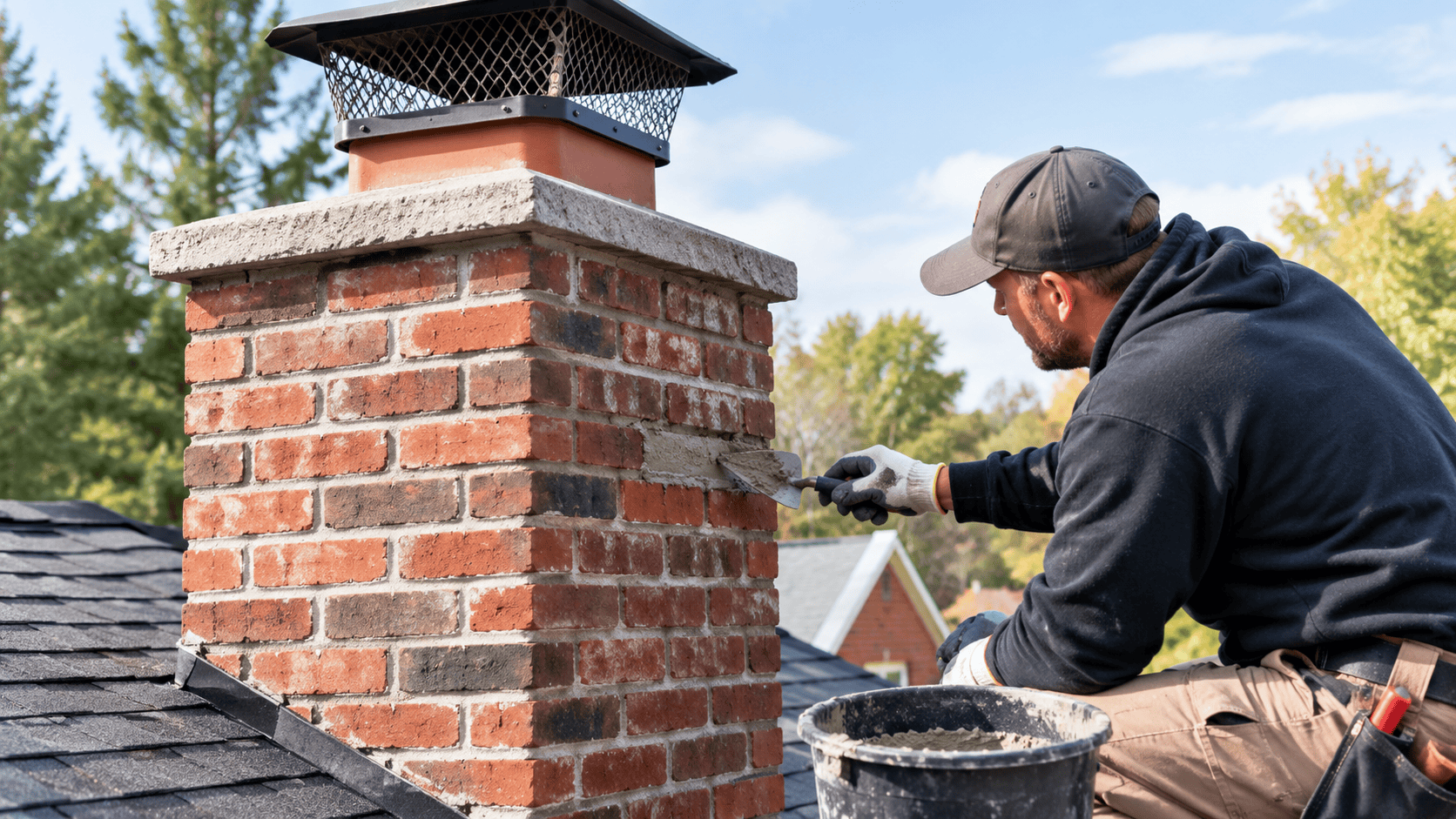
Your chimney plays a crucial role in keeping your home safe and comfortable — venting smoke, gases, and heat away from your living space. But over time, wear and tear from weather, moisture, and normal use can take a toll. If left untreated, minor issues can turn into major, costly problems.
Here are five key signs that it’s time to invest in a chimney repair.
Blog Objective:
The primary goal of this blog is to educate homeowners about the most common signs that indicate the need for chimney repairs. By recognizing these early warning signs, you can prevent costly repairs, improve safety, and ensure the longevity of your chimney.
1. Visible Cracks and Structural Damage
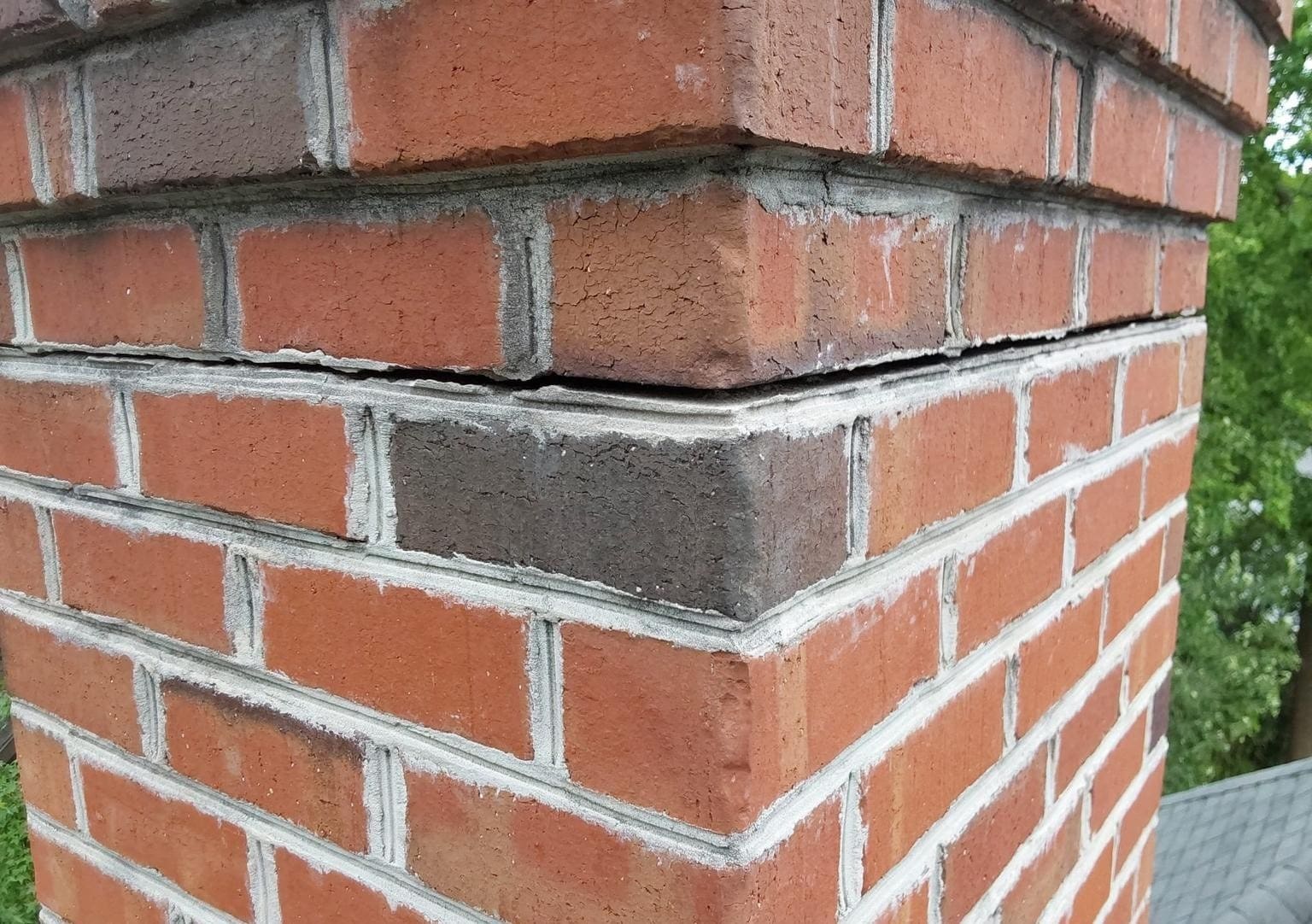
One of the most obvious warning signs is cracks or crumbling bricks on the chimney’s exterior. These can appear as vertical or horizontal fissures, flaking brick surfaces, or missing pieces. Cracks allow moisture to enter and weaken the chimney structure, which can lead to more serious problems if not repaired.
A chimney inspection with binoculars from the ground can help you spot these issues early. Regular inspections can also help you identify potential issues early on, reducing the need for costly repairs later.
2. White Stains (Efflorescence) and Rust

Have you noticed white, chalky stains on your chimney masonry? That’s called efflorescence — a sign that moisture is seeping into your chimney and leaching minerals to the surface. Similarly, rust on metal components like the damper or firebox points to water infiltration. Both issues suggest that water is damaging your chimney and that repair work may be needed to prevent further deterioration. If you notice these signs, it's best to act fast to avoid further damage.
Water intrusion is one of the leading causes of chimney problems, and if left unchecked, can result in severe structural damage. This is a good time to review some top chimney repair services that homeowners should know about to prevent further deterioration.
3. Foul Odors and Smoke Problems
Your fireplace should never emit unpleasant smells in your home. If you notice musty, smoky, or chemical‑like odors, even when the fireplace isn’t in use, it could indicate blocked vents, moisture buildup, or creosote accumulation — a flammable residue from burning wood. These problems not only diminish comfort but can pose serious safety risks.
It’s important to get your chimney inspected if you experience these odors, as creosote buildup can create fire hazards. To ensure safe operation, it's essential to understand how to safely remove creosote from your fireplace and the proper maintenance steps.
4. Poor Drafting or Smoke Backflow
A healthy chimney should vent smoke up and out of your home. But if smoke starts backing into the living room or your fire burns inefficiently, there may be drafting issues — often caused by blockages, flue damage, or structural shifts. A poor draft is more than an annoyance; it can allow harmful gases like carbon monoxide into your home and should be addressed by a professional quickly.
If you're experiencing smoke backflow or poor venting, it's essential to address it right away. Be sure to ask any chimney professionals the right questions before hiring them.
Knowing 5 Reasons Why You Should Always Hire a Professional Chimney Sweep will help you make an informed decision.
5. Water Inside the Chimney or Fireplace
Water should never be present in your chimney or firebox. Signs like water stains, puddles, or damp walls indicate a leak — potentially from a damaged chimney cap, cracked crown, or compromised flashing where the chimney meets the roof. Water intrusion can accelerate brick and mortar decay, rust metal parts, and promote mold growth.
A damaged chimney cap is a major contributor to water infiltration. Early repairs can avoid further structural damage to your chimney and home. For more information on chimney repair services, check out our article on the top chimney repair services every homeowner should know about.
Key Takeaways:
- Cracks, stains, and rust are signs of damage and potential water infiltration.
- Foul odors and smoke backflow can indicate blockages or poor venting, leading to unsafe conditions.
- Water leaks can cause serious long-term damage to your chimney structure, leading to costly repairs if left untreated.
- Regular chimney inspections can catch problems early and save money in the long run.
Why Timely Repairs Matter
Ignoring these early signs can lead to:
- Higher repair costs down the road
- Structural damage to your home
- Increased risk of chimney fires or carbon monoxide exposure
- Decreased heating efficiency
Regular inspection and prompt repairs help protect your family, preserve your home’s value, and ensure your chimney functions safely season after season.
FAQs:
How often should I have my chimney inspected?
It is recommended to have your chimney inspected at least once a year by a certified professional. Regular inspections can catch small issues before they become major problems.
Can I repair my chimney myself?
While minor maintenance, like cleaning the chimney cap, can be done by homeowners, major repairs — like fixing cracks or structural damage — should always be handled by a professional chimney repair service to ensure safety.
How much does chimney repair cost?
Chimney repair costs vary depending on the extent of the damage. Minor repairs can cost a few hundred dollars, while major repairs (like rebuilding a chimney) can run into the thousands. It’s always best to get an estimate after a professional inspection.
What can I do to prevent chimney damage?
Regular chimney cleaning, installing a chimney cap, and sealing cracks can prevent damage. Additionally, burning dry, seasoned wood and using the fireplace properly helps avoid excessive creosote buildup, which can lead to fires.
If you’re noticing any of these warning signs or simply want a professional assessment, don’t wait until a small issue becomes a major headache. Contact the experts at
🔗 https://mcpchimneyservices.com/ for dependable chimney repair solutions.