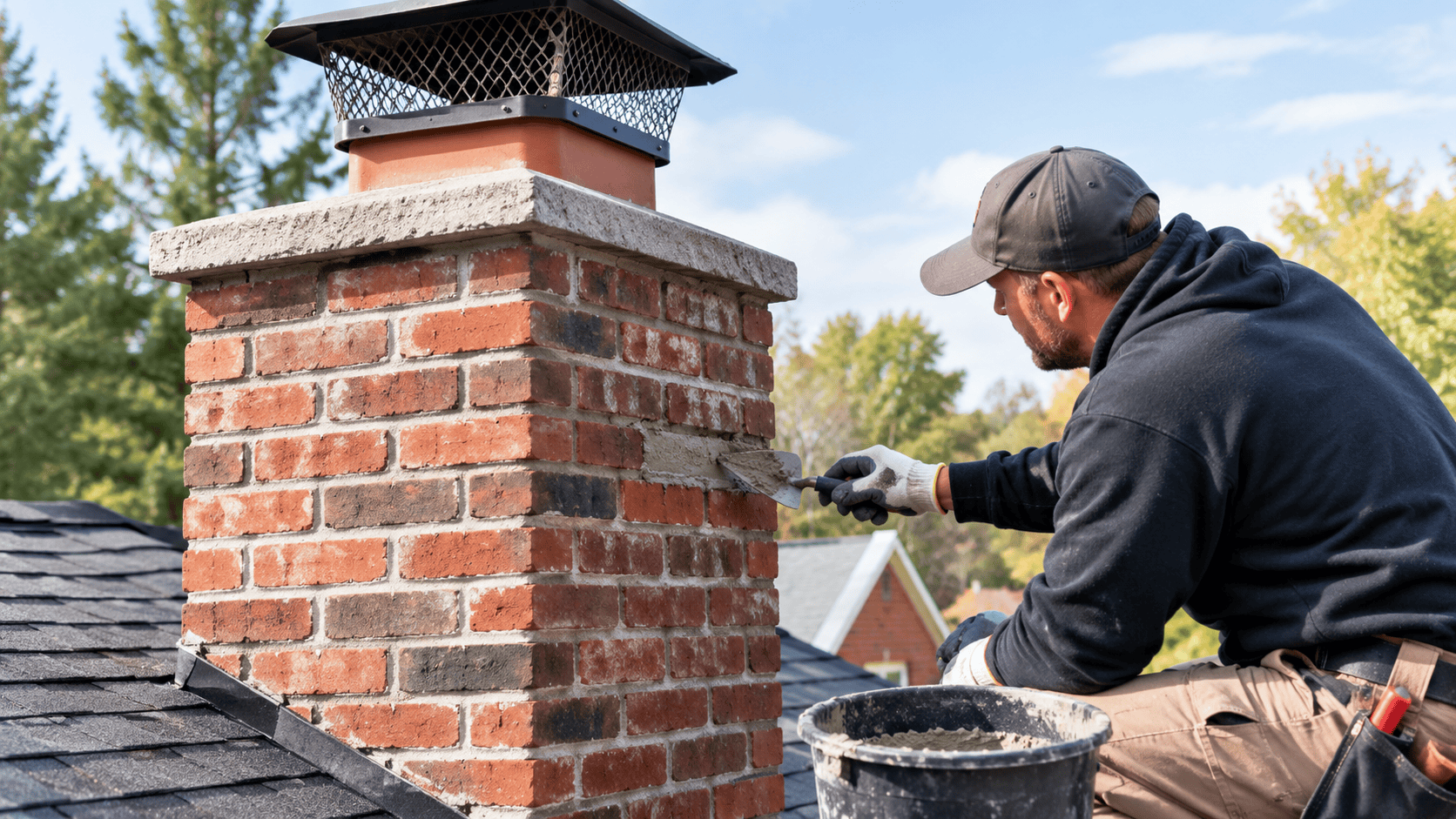
After a long winter of keeping your home warm and comfortable, your chimney and fireplace deserve some attention. These systems work hard during the colder months, and once spring arrives, they often require cleaning and inspection to remain safe and efficient.
Many homeowners overlook chimney maintenance once the weather warms up. However, this is actually the best time to inspect your system, remove soot and debris, and identify any damage caused during the heating season. A proper spring cleaning routine helps prevent costly repairs and ensures your fireplace is ready to perform safely when colder temperatures return.
This Chimney & Fireplace Spring Cleaning Checklist will guide you through the most important steps to maintain your chimney and fireplace system after winter.
The Objective of This Blog
The objective of this blog is to provide homeowners with a practical and easy-to-follow chimney and fireplace spring cleaning checklist. After months of winter use, chimneys often accumulate soot, debris, and creosote that can affect performance and safety. This guide outlines essential inspection and cleaning steps homeowners can take to maintain their fireplace system. It also highlights situations where professional assistance may be necessary to ensure proper maintenance, safety, and long-term efficiency.
Why Spring Cleaning Matters
During the winter months, wood-burning fireplaces produce smoke that contains soot and creosote. As this smoke travels up the chimney, it cools and leaves behind residue along the flue walls. Over time, this buildup becomes highly flammable and can increase the risk of chimney fires.
One of the most important parts of chimney maintenance is cleaning creosote from fireplace surfaces and chimney flues. If left unchecked, creosote deposits can harden and become extremely difficult to remove.
Spring cleaning also helps homeowners detect issues that may have developed during winter use, including:
- Animal nests or debris blocking the chimney
- Damaged chimney caps
- Cracked masonry or mortar
- Water damage caused by snow and rain
- Malfunctioning dampers
Addressing these issues early can prevent larger structural problems and ensure proper airflow within the chimney system. Many homeowners choose to schedule chimney cleaning in Maryland during the spring to ensure their fireplace is professionally inspected and cleaned after the busy winter season.
A chimney inspection with binoculars from the ground can help you spot these issues early. Regular inspections can also help you identify potential issues early on, reducing the need for costly repairs later.
The Spring Cleaning Checklist
Follow these steps to thoroughly inspect and maintain your chimney and fireplace.
1. Inspect the Exterior of the Chimney
Begin your spring cleaning by examining the exterior structure of the chimney. A visual inspection can reveal early signs of damage that may require attention.
Check the following areas carefully:
Chimney Cap
Ensure the chimney cap is securely attached and free from rust or damage. A chimney cap helps prevent rain, debris, and animals from entering the chimney.
Flashing
Inspect the metal flashing where the chimney meets the roof. If flashing becomes loose or damaged, water can leak into the roof and chimney structure.
Masonry and Brickwork
Look for cracked bricks, missing mortar, or signs of deterioration. Small cracks can expand over time if not repaired.
Chimney Crown
The chimney crown is the concrete surface at the top of the chimney. Check for cracks or chips that could allow water penetration.
2. Inspect the Interior of the Chimney
After checking the exterior, move to the interior of the fireplace and chimney.
Look for these common issues:
Creosote Buildup
Inspect the chimney walls for thick, black, or shiny residue. This buildup indicates creosote accumulation and may require thorough cleaning.
Blockages
Leaves, twigs, bird nests, and other debris can obstruct the chimney flue. Blockages can prevent smoke from escaping properly and may cause dangerous backdrafts.
Damper Condition
Test the damper by opening and closing it. It should move smoothly and create a proper seal when closed.
If creosote buildup appears significant, cleaning creosote from fireplace components becomes essential to reduce fire hazards.
3. Clean the Fireplace and Chimney
Once inspections are complete, the next step is cleaning.
Start with the firebox, which is the interior area where the fire burns.
Firebox Cleaning
- Remove leftover ash and debris from previous fires.
- Use a fireplace-safe brush or cleaner to remove soot stains from the walls.
Damper Cleaning
- Wipe soot and debris from the damper.
- Ensure it moves easily without resistance.
Chimney Flue Cleaning
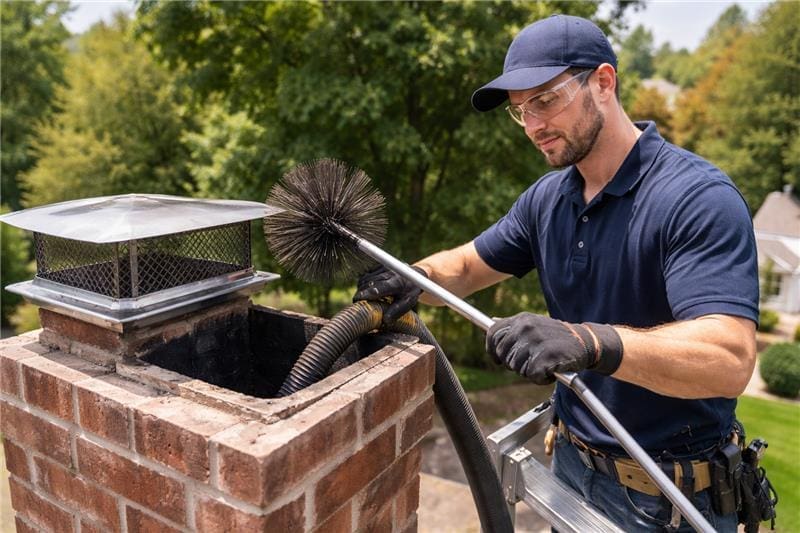
- Chimney brushes are typically used to remove soot from the flue walls.
- Protective coverings should be placed around the fireplace to prevent soot from spreading inside the home.
While basic cleaning can be done by homeowners, deeper chimney cleaning often requires specialized tools and expertise.
4. Inspect Fireplace Inserts and Appliances
If your fireplace includes inserts, gas units, or heating appliances, inspect them carefully.
Check for:
- Cracked glass doors
- Loose seals or damaged gaskets
- Rust on metal components
- Unusual odors or soot buildup
For gas fireplaces, inspect the burner and pilot system to ensure everything is working properly. If you are planning to upgrade your fireplace system, spring is also an ideal time to consider installing a gas fireplace. Gas fireplaces offer convenient operation, cleaner burning fuel, and improved energy efficiency compared to traditional wood-burning units.
5. Check Home Safety Equipment
Chimney maintenance should always include a review of safety devices in your home.
Make sure to:
- Test carbon monoxide detectors
- Replace batteries if needed
- Check smoke detectors
- Inspect fireplace screens and protective barriers
Carbon monoxide is a colorless, odorless gas that can be extremely dangerous. Working detectors are essential in homes with fireplaces or fuel-burning appliances.
When to Call a Professional
Although homeowners can perform basic inspections and cleaning, some chimney maintenance tasks require professional expertise.
You should contact a chimney professional if you notice:
- Heavy creosote buildup
- Smoke entering the home during fireplace use
- Cracks in the chimney structure
- Loose bricks or deteriorating mortar
- Water leaks around the chimney
- Damaged chimney liners
Experienced technicians can provide thorough inspections and perform deeper cleaning using specialized equipment. Many companies also offer comprehensive chimney repair services to fix structural issues, repair chimney crowns, and restore damaged masonry.
Professional inspections are also recommended if you are planning upgrades. For example, technicians can evaluate your existing chimney system and provide guidance if you are considering installing a gas fireplace or converting from a wood-burning unit.
Many homeowners schedule professional maintenance each spring, especially in regions where fireplaces are commonly used. Services such as chimney cleaning in Maryland help ensure that chimneys are properly cleaned, inspected, and prepared for the next heating season.
Key Takeaways
- Spring is the ideal time to inspect and clean your chimney after the winter heating season.
- Regular maintenance helps prevent hazards such as chimney fires and carbon monoxide exposure.
- Cleaning creosote from fireplace components is essential to reduce fire risk.
- Homeowners should inspect both the exterior and interior parts of the chimney for damage or blockages.
- Professional services, including chimney cleaning in Maryland and chimney repair services, can help address deeper maintenance needs.
- Spring inspections are also a good time to explore upgrades like Installing a Gas Fireplace for improved convenience and efficiency.
About MCP Chimney Services
At MCP Chimney Services, we provide expert chimney cleaning, inspections, and chimney repair services to keep your fireplace safe, efficient, and ready for every season
Final Words
Spring is the perfect time to inspect and clean your chimney and fireplace after months of winter use. Regular maintenance helps prevent fire hazards, improves fireplace performance, and extends the lifespan of your chimney system.
By following this Chimney & Fireplace Spring Cleaning Checklist, homeowners can identify potential issues early, remove harmful buildup, and ensure their fireplace remains safe and efficient. Key tasks include inspecting the chimney structure, cleaning creosote from fireplace areas, checking appliances, and testing home safety equipment.
While some cleaning and inspection tasks can be done independently, professional services remain the safest way to ensure a thorough evaluation of your chimney system. Experts can provide reliable chimney repair services, perform detailed cleaning, and assist with upgrades like Installing a Gas Fireplace if you are considering a modern alternative.
If your chimney hasn’t been inspected since the end of winter, now is the time to take action. Start your spring cleaning routine or schedule a professional inspection to keep your chimney safe, efficient, and ready for the next heating season.