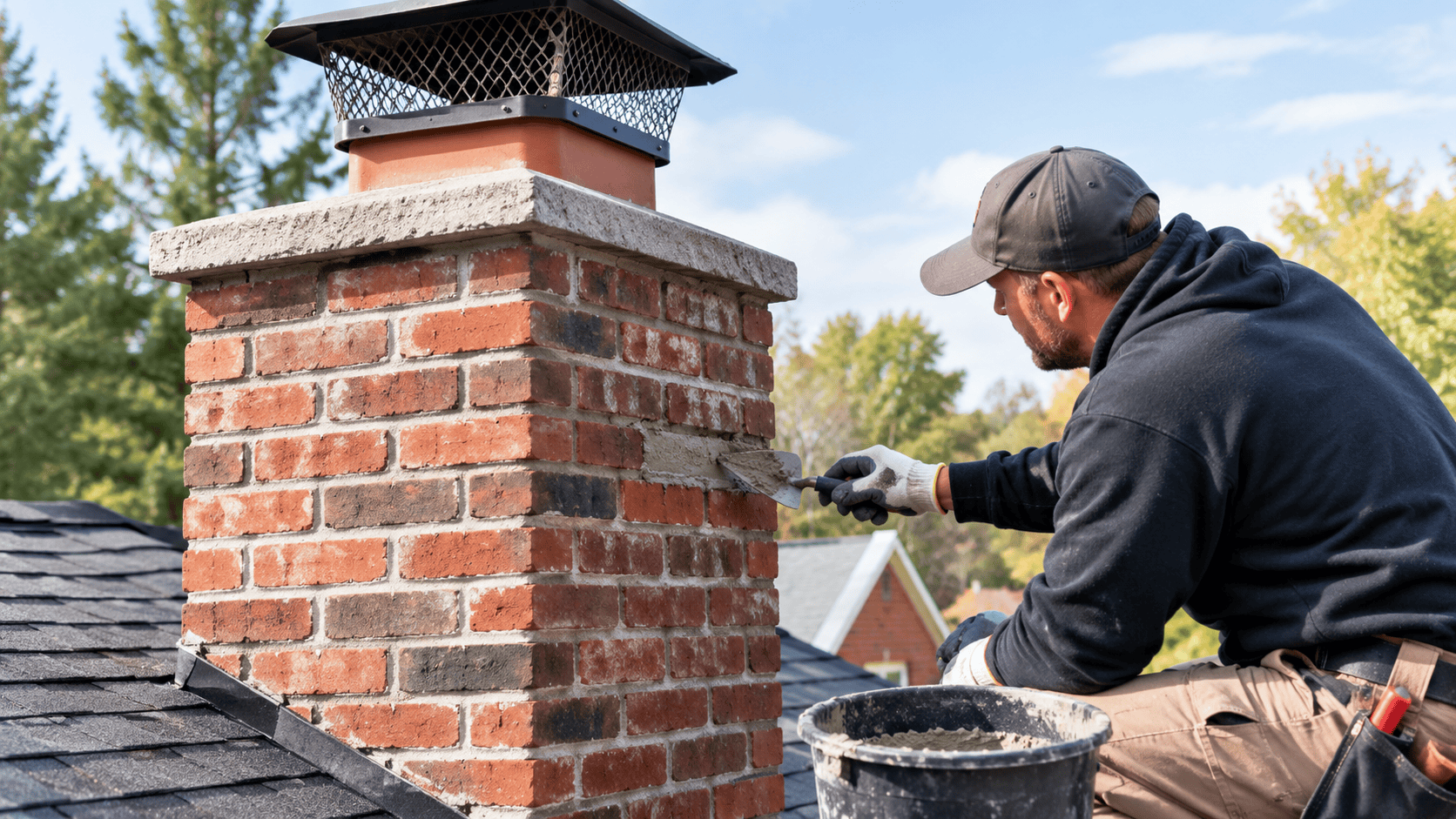
Choosing a fireplace isn't just about picking a style you like. There's fuel type, ventilation, the condition of your existing chimney, the firebox, and how much upkeep you're willing to sign up for down the road. This matters even more in older homes, where a proper evaluation before installation can catch problems you'd never spot just by looking.
This guide breaks down the main types of fireplace installation, how they work, and what to weigh before you commit to one.
What Is Fireplace Installation?
At its core, fireplace installation means adding a new fireplace system to a home whether that's brand new construction or a renovation project. If you're looking into fireplace installation in Damascus, MD, the process generally follows a similar path no matter which type of fireplace you end up choosing.
That usually includes:
- Picking the fireplace system gas, wood-burning, electric, masonry, or an insert
- Checking out the installation location
- Inspecting whatever chimney or venting is already there
- Figuring out ventilation needs for that specific system
- Prepping the wall, hearth, or masonry structure around it
- Putting in the fireplace unit
- Hooking up the venting or flue
- Testing everything once it's done
The steps shift quite a bit depending on the fireplace type, which is exactly why it helps to understand what makes each system different before deciding what's right for your home.
What Are the Different Types of Fireplace Installation?
There's no single "standard" way to install a fireplace; it really comes down to the system. Here are the main options homeowners run into.
Gas Fireplace Installation
Gas fireplaces run on natural gas or propane and tend to give you steadier heat with less day-to-day upkeep than wood.
A lot of newer gas units use direct-vent systems, pulling combustion air in from outside and pushing exhaust back out through a sealed pipe—no traditional chimney needed. That's part of why gas fireplaces work well in homes where a full masonry chimney just isn't in the cards.
A few things to keep in mind:
- Venting placement and clearance from windows or other openings
- Getting a gas line run to the unit
- Manufacturer specs, which differ from model to model
- Regular maintenance, including checking the venting and burner
Gas lines and venting have to be done right to be safe, so this isn't really a DIY situation. Professional installation matters here.
Wood-Burning Fireplace Installation
There's something about an actual wood fire that gas and electricity can't quite replicate, which is why traditional wood-burning fireplaces still have plenty of fans. But they also come with more infrastructure to think about.
You'll need:
- A chimney built to the right size and specs
- Enough ventilation to move smoke out safely
- A firebox that can handle sustained high heat
- Proper clearance from framing, wall coverings, and other combustibles
- Regular chimney cleaning to keep creosote in check
- A plan for storing and seasoning firewood
Since everything hinges on a working chimney and a solidly built firebox, these need a close look, especially in existing homes where the chimney might not have been used in years.
Electric Fireplace Installation
Electric fireplaces use heating elements often paired with LED flame effects to mimic fire without any actual combustion. That makes them one of the more flexible options out there.
Worth knowing:
- No chimney or venting needed in most cases
- Just a standard outlet, or sometimes a dedicated circuit
- Flexible placement: wall-mounted, inserted into an existing opening, you name it
- Less maintenance overall, since there's no ash or creosote to deal with
If you like the look of a fireplace but don't want to deal with venting requirements, electricity is worth a look, though the heat output and ambiance are a bit different from a real flame.
Masonry Fireplace Installation
A masonry fireplace is built from brick, stone, or block right on-site, not manufactured and dropped in like a portable unit.
This involves:
- Brick or stone work built directly into the home's structure
- A masonry firebox designed to hold up under direct heat
- A chimney built specifically for that firebox
- Room for custom design, since it's built to spec rather than off a standard model
- Long-term durability, assuming it's built and maintained well
Because it's permanent, getting the construction right the first time really matters; fixing mistakes in masonry later is a much bigger job than servicing a factory-built unit.
Fireplace Insert Installation
A fireplace insert drops into an existing fireplace opening, often to boost efficiency or modernize an older setup without a full rebuild.
Options include:
- Wood-burning inserts, which usually heat more efficiently than an open masonry fireplace
- Gas inserts, which convert a wood-burning fireplace to gas
- Electric inserts, for a lower-maintenance option
If you're weighing your options, our fireplace installation services page has more detail on the systems we work with.
What’s the Difference Between a Masonry Fireplace and a Prefabricated Fireplace?
- Construction: Masonry is built on-site, brick by brick. Prefab units arrive built and get installed as a complete package.
- Materials: Masonry uses brick, stone, mortar, and refractory materials. Prefab units are mostly metal and factory-rated parts.
- Installation: Masonry takes longer and is more custom. Prefab tends to follow a more predictable timeline.
- Design: Masonry gives you more freedom for custom shapes and finishes. Prefab comes in set configurations.
- Maintenance: Masonry needs attention to mortar joints and brick condition over time. Prefab follows manufacturer guidelines.
- Chimney: Masonry pairs with a masonry chimney. Prefab often uses manufacturer-specific venting.
- Longevity: Well-built masonry can last generations, though repairs mean masonry work. Prefab units get serviced or replaced per manufacturer specs
Neither one wins outright; it comes down to your home's structure, your taste, your budget, and how you plan to use it.
When Does a Fireplace Need a Masonry Firebox Repair?
The firebox absorbs the most heat of anything in the system, so it wears down over time even with normal use. If you're dealing with masonry firebox repair in Maryland, keep an eye out for:
- Cracked bricks
- Crumbling or missing mortar
- Deteriorated refractory material
- Spalling, where brick or masonry flakes away at the surface
- Visible gaps in the firebox
- Discoloration or warping from heat
- Water damage from a leaking chimney
A firebox showing any of this should get looked at before you use it again; damaged masonry can affect both performance and safety. Depending on how bad it is, repair might mean patching specific spots, replacing worn materials, or rebuilding a section entirely. And to be honest, not every firebox can be saved; sometimes a full rebuild is the only real option.
Can You Install a Fireplace in an Existing Home?
Yes, though it's a different process than new construction. You'll want to look at:
- The existing chimney's condition
- What ventilation options are actually available
- The firebox, if there's one already there
- Structural support for the new fireplace
- Where in the home it'll go
- Clearance requirements
- Fuel source
- Existing masonry condition
- Any local building requirements that might apply
Older chimneys and fireboxes were often built for a different type of fireplace than what you might have in mind or haven't been used in a long time. That's why it's worth getting the installation evaluated before you buy anything.
Why Professional Fireplace Installation Matters
There's a lot more to installation than setting a unit in place and hooking it up. A professional accounts for:
- Correct positioning relative to walls and combustibles
- Proper venting for that fireplace type
- Manufacturer-required clearances
- Firebox condition, especially for masonry or inserts
- Whether the new fireplace actually works with your existing chimney
- Masonry requirements for brick or stone work
- Manufacturer specs for gas, electric, or factory-built units
- Final inspection and testing
- Fire safety, generally
Get any of this wrong: bad venting, tight clearances, and a mismatch between a new unit and an old chimney, and you're looking at both safety and performance problems. That's really the case for professional installation in a nutshell.
Fireplace Installation and Chimney Inspection
If you're connecting a new fireplace to an existing chimney, an inspection beforehand just makes sense. That usually covers:
- Overall chimney condition
- Flue condition and sizing
- Any obstructions
- Masonry deterioration
- Water damage
- Cracked components
- Whether it's actually compatible with the new fireplace
It's a way of confirming the chimney can handle what you're about to put through it, rather than just hoping for the best.
Final Thoughts
Gas, wood, electric, masonry, or an insert—whatever direction you're leaning, the right call comes down to your home's structure, your goals, and the shape your existing chimney or firebox is in. For homeowners in Damascus, Maryland, working through these details with an experienced fireplace professional makes the whole process a lot less guesswork. If you're exploring fireplace installation in Damascus or need a masonry firebox looked at before moving forward, our team at MCP Chimney Services offers fireplace and firepit services to help you figure out the right next step.
Frequently Asked Questions
What's the easiest type of fireplace to install?
It depends on the fireplace type, chimney availability, and fuel source. Electricity usually needs the least infrastructure.
How much does fireplace installation cost in Damascus, MD?
Costs vary by fireplace type, chimney work needed, materials, and site condition. A professional evaluation gives the most accurate estimate.
Can I install a fireplace without a chimney?
Some gas and electric models don't need one. Wood-burning fireplaces generally do. It depends on the model.
Do chimney caps make much difference?
More than people expect — they keep rain, animals, and debris from getting into the flue in the first place.
How long does fireplace installation take?
Timing depends on the system, prep work, and any masonry or structural changes needed.
Can a damaged masonry firebox be repaired?
Often, yes, cracks and worn mortar can usually be fixed. Severe damage may need a rebuild