Maryland winters have a way of sneaking up on people. One week it's mild, the next there's a hard frost and a heating bill that makes you wince. That's usually when the conversation about supplemental heat starts — a stove tucked into the living room, something that can carry the load when the furnace is working overtime.
Here's the thing most people don't think about until it's too late: a stove is only as good as its installation. You can buy the best wood stove on the market and still end up with smoke rolling back into the room, uneven heat, or a hearth that doesn't meet code. That's why Stove Installation Services in Maryland exist as their own specialty rather than something tacked onto a general handyman's list — the clearances, the venting, the way the flue ties into an existing chimney, all of it has to line up correctly, and there's not much room for guesswork.
So if you're weighing your options, it helps to actually understand what goes into doing this right.
Why Professional Installation Actually Matters Here
Setting a stove in a corner and hooking up a pipe isn't installation — it's a liability waiting to surface. Manufacturers publish exact clearance numbers for a reason: too close to a wall or a piece of trim, and you're looking at scorching, discoloration, or worse. Every stove has its own venting math too, and it's not universal. A pellet stove vents differently than a wood-burning unit, and a gas stove has its own set of rules entirely.
Then there's the hearth. People assume any tile or stone slab will do, but the pad has to be sized and rated for the heat output of that specific stove. Skip that step, or eyeball it, and you're rolling the dice on something that's supposed to protect your floor from a 500-degree appliance.
Picking a Stove That Actually Fits Your House
Not every home is built the same way, and not every stove belongs in every home. A few of the common paths:
- Wood-burning stoves: old-school, dependable, and a favorite for anyone with a steady firewood supply
- Gas stoves: no ash, no hauling logs, consistent output at the flip of a switch
- Pellet stoves: automated feed, adjustable heat, a bit more modern in how they operate
- Freestanding units: don't need an existing fireplace, so more flexible on placement
- Fireplace inserts: built to slide into a masonry opening you already have
If your home already has a working chimney, an insert is often the natural fit. No chimney? A direct-vent gas stove or a freestanding unit with its own venting kit tends to make more sense. Room size matters too — heating one den is a different job than trying to warm an open-concept first floor.
What’s Actually Involved in the Installation
There's more to this than most homeowners expect walking in. It starts with someone coming out to look at the room — not just the spot where the stove will sit, but the walls, the flooring, whatever venting or chimney already exists. From there, placement gets nailed down based on clearance requirements, and the flue connection gets planned around that.
The chimney or vent system gets inspected next. Sometimes it's fine as-is; sometimes it needs a new liner to match what the new stove requires. Hearth work follows, cutting or laying material that meets fire-resistance standards for that appliance. Then, once it's all connected, someone checks the draft, checks the seals, and makes sure nothing's leaking combustion byproducts where it shouldn't.
Broadly, that process covers:
- A walkthrough of the room and existing setup
- Placement and clearance measurements
- Chimney or venting inspection
- Flue connection and sealing
- Hearth prep and floor protection
- Draft and combustion safety testing
- A final check before anyone calls it done
Stove Sales & Installation In Maryland — Why Both Together Helps
A lot of homeowners end up juggling two vendors when they didn't need to — one to sell them the stove, another to install it, and neither one fully accountable for how the pieces fit together. Going with a company that handles Stove Sales & Installation In Maryland cuts that friction out. One conversation, one team that knows both the appliance and your chimney.
A decent stove sales company will walk you through brands and fuel types based on what your house can actually support, not just what's on the showroom floor. Pair that with a stove installation company that knows Maryland's code requirements cold, and you're not stuck translating between two businesses that have never talked to each other.
The Stove Chimney Fireplace Relationship
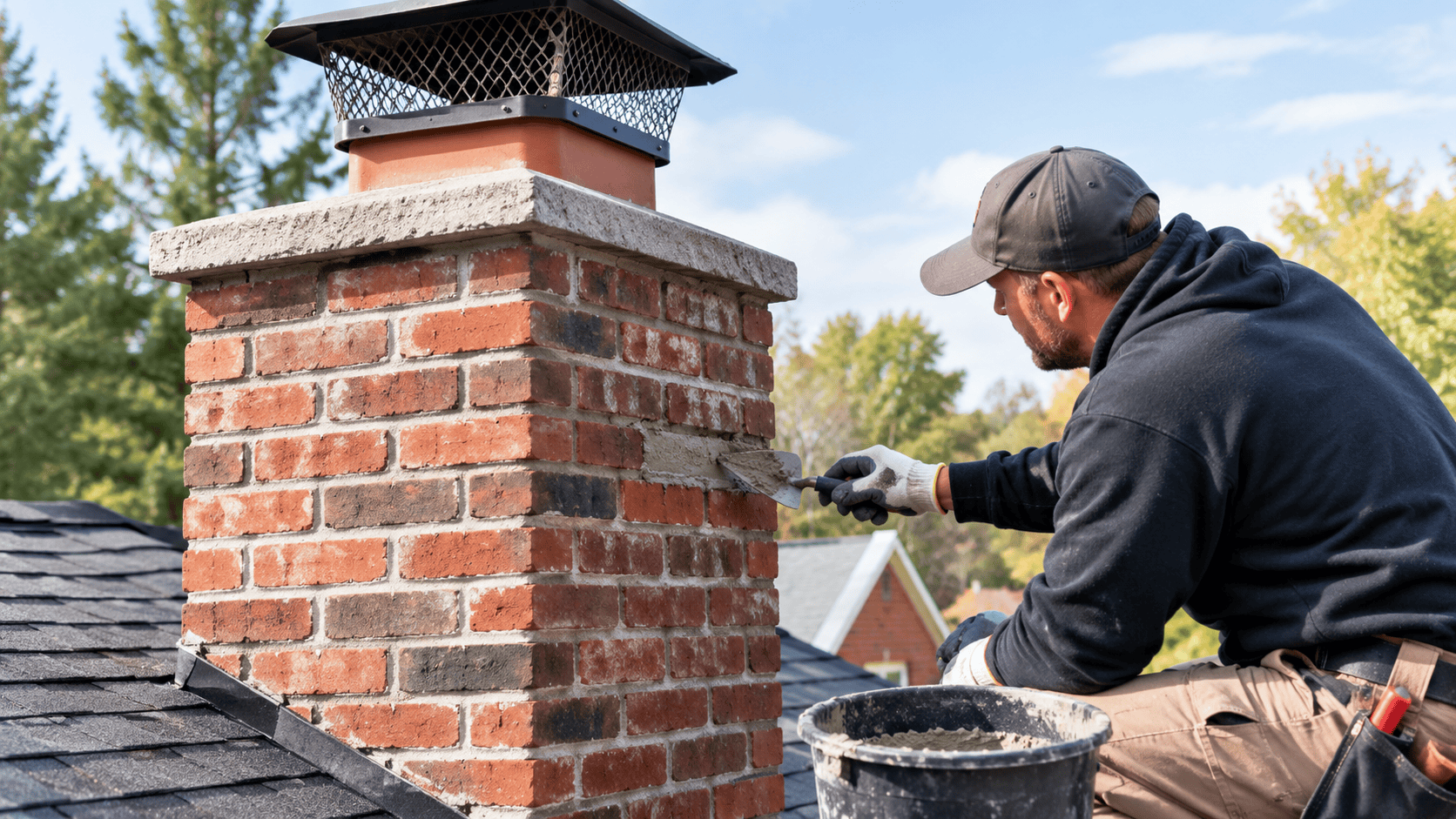
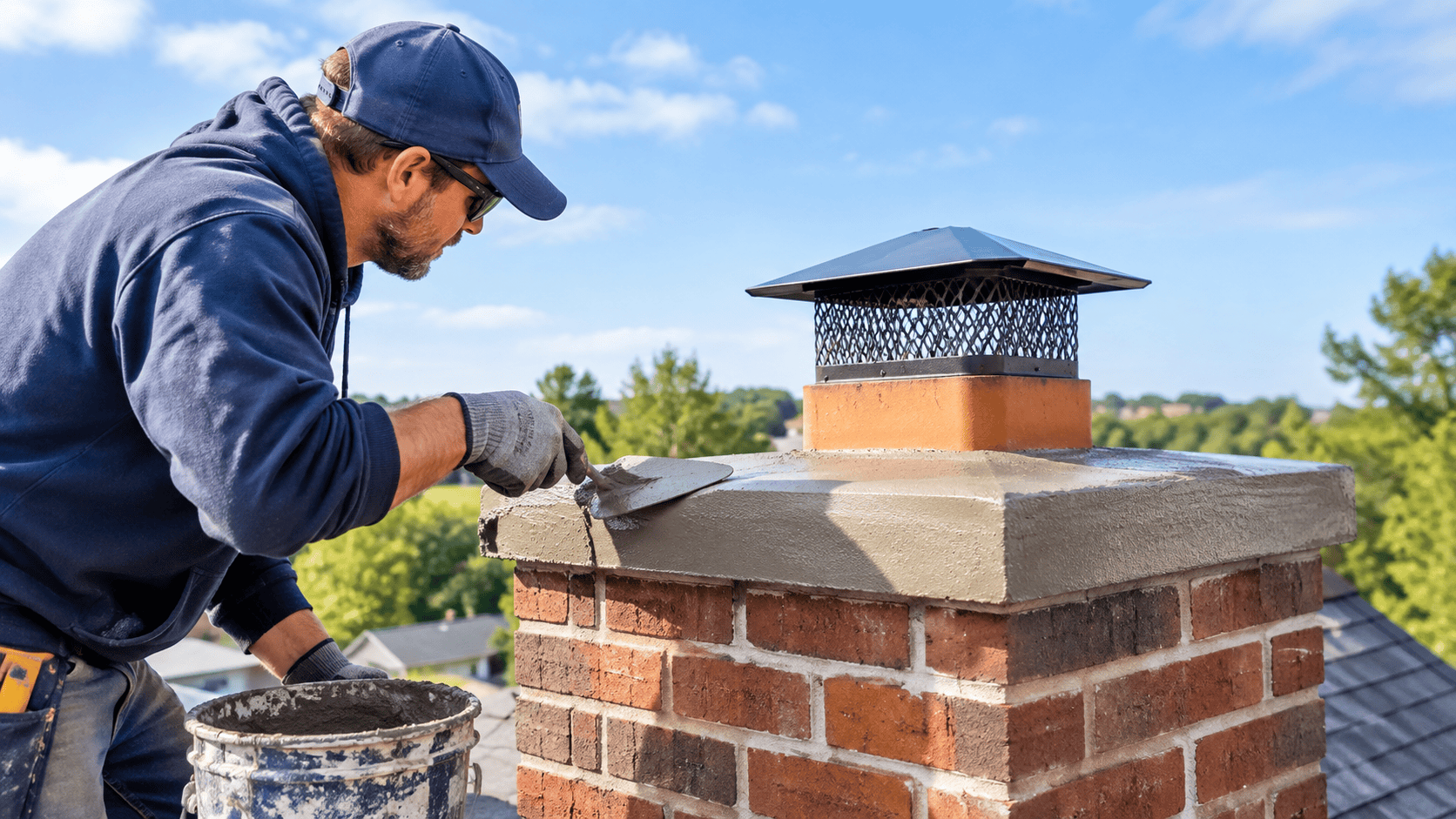
None of this happens in a vacuum. The stove, the flue, the chimney, and — if you've got one — the existing fireplace opening are all one connected system. A chimney inspection is usually where things start, because whatever condition that chimney is in determines what kind of liner or modification gets recommended.
This is also where fireplace installation services and stove work start to blur together, especially for anyone converting a traditional wood-burning fireplace into an insert setup. If creosote buildup or debris is sitting in the flue, chimney cleaning services usually come first. And a liner swap is common when the existing flue just doesn't match what the new stove needs to vent safely. Get that relationship wrong, and you end up with a poor draft or heat that never quite makes it into the room.
What You Actually Get Out of Doing This Properly
The difference shows up fast — usually the first cold night. Correct placement and venting aren't abstract concepts; they translate directly into how evenly a room heats and how few problems crop up six months later.
- Placement that actually matches the manufacturer's specs
- Venting tuned for real draft, not guesswork
- Heat that spreads through the room instead of pooling near the stove
- Lower odds of a chimney fire or venting failure
- Fewer "can you come back out" calls
- An appliance that holds up over the long haul
- A real assessment of what your chimney can and can't handle
Getting Your Home Ready Beforehand
A little prep goes a long way toward keeping installation day short and uneventful. Clear the area — rugs, furniture, anything combustible — so there's room to work and accurate clearance measurements. If you've had a chimney inspection done recently, dig up that report; it saves the installer time.
Think through fuel type ahead of time too. Wood, gas, or pellet changes the hearth requirements and the venting setup, so having an answer before the crew shows up keeps things moving.
Signs It's Time for a New Installation
A few situations tend to push people toward this decision. An old stove that just doesn't put out heat like it used to. A fireplace remodel that opens the door to a more efficient insert. A cold room that's never had its own heat source. Or simply upgrading from something outdated to a stove with better efficiency and lower emissions — sometimes it's less about the old unit failing and more about wanting something that actually performs.
Conclusion
Once the stove's in, the work isn't quite over. Regular inspections catch the small stuff, a loosening connection, early creosote, and a gasket starting to wear thin, before it becomes a bigger repair. Chimney maintenance in Washington County frequency depends on how hard you're running the stove through the season, and venting components are worth a look periodically to make sure nothing's shifted. Sticking to the manufacturer's maintenance schedule is really the simplest way to protect what you paid for.
Frequently Asked Questions
What do Stove Installation Services in Maryland include?
A site walkthrough, stove placement, clearance checks, chimney or venting inspection, flue connection, hearth prep, and a final safety test to confirm everything's up to code.
How do I choose a reliable stove installation company?
Look for experience across different stove types, real familiarity with Maryland's code requirements, and a habit of actually inspecting the chimney rather than rushing straight to installation.
Does Stove Sales & Installation in Maryland include chimney inspection?
Usually, yes — it's part of the standard process, since the chimney's condition determines whether it can support the new stove or needs work first.
Can a stove be installed as part of fireplace installation services?
Yes, this is common. Converting an existing fireplace into an insert setup often involves liner work and venting changes alongside the fireplace installation.
How often should a professionally installed stove be inspected?
Once a year is the general rule, though households running their stove heavily through the winter may want to check the chimney and venting more often.