Nobody thinks about their chimney crown until something goes wrong. It sits up there, exposed to sun, ice, and rain for years without so much as a second glance and that's exactly the problem. By the time most homeowners notice an issue, water has usually already found its way into places it shouldn't be.
That's really the whole story with chimney crowns: small damage doesn't stay small for long. A hairline crack that seems harmless in July can turn into a real headache by February, once a few freeze-thaw cycles have had their way with it. If you're a Maryland homeowner looking into chimney crown repair in Maryland, it helps to understand what this part of your chimney actually does, why it fails, and how to tell when it's time to get someone out to look at it.
Below, we'll walk through what a chimney crown is, what typically damages it, how professionals go about fixing it, and how to know whether you're dealing with a quick repair or something bigger.
What Is a Chimney Crown?
The chimney crown is the flat-ish, sloped surface capping the very top of your chimney. It's usually poured concrete, sometimes a mortar wash, occasionally a precast piece — and its job is to cover everything up top except the flue opening itself.
What Are the Different Types of Fireplace Installation?
There's no single "standard" way to install a fireplace; it really comes down to the system. Here are the main options homeowners run into.
What Causes Chimney Crown Damage?
Chimney crowns take a beating simply by existing outdoors year-round. A few things tend to be the usual culprits:
- Freeze-thaw cycles. Water gets into a tiny crack, freezes, expands, and makes the crack a little bigger. Repeat that enough times over a Maryland winter and a minor flaw becomes a real one.
- Moisture intrusion. Once water gets past the surface, it starts weakening the concrete or mortar from the inside.
- Heavy rain and snow. Prolonged wet exposure speeds up wear, especially if there's already minor cracking to exploit.
- The temperature swings. Constant expanding and contracting stresses the material over time.
- Age. Concrete and mortar don't last forever, and without upkeep, they degrade.
- Poor original construction. A crown built without the right slope, thickness, or overhang tends to fail sooner than it should.
- Bad drainage. If water isn't shedding properly, it lingers — and lingering water is never good for masonry.
- General masonry deterioration. Once cracks appear, the surrounding structure becomes vulnerable to the same freeze-thaw and moisture cycle.
Maryland's mix of cold winters, humid summers, and plenty of rain in between means local chimneys tend to face more of this stress than they might in a milder, drier climate.
How to Repair a Chimney Crown
The exact repair depends on the crown's material, age, design, and how bad the damage actually is, but professional repairs generally follow a similar sequence.
Inspection First
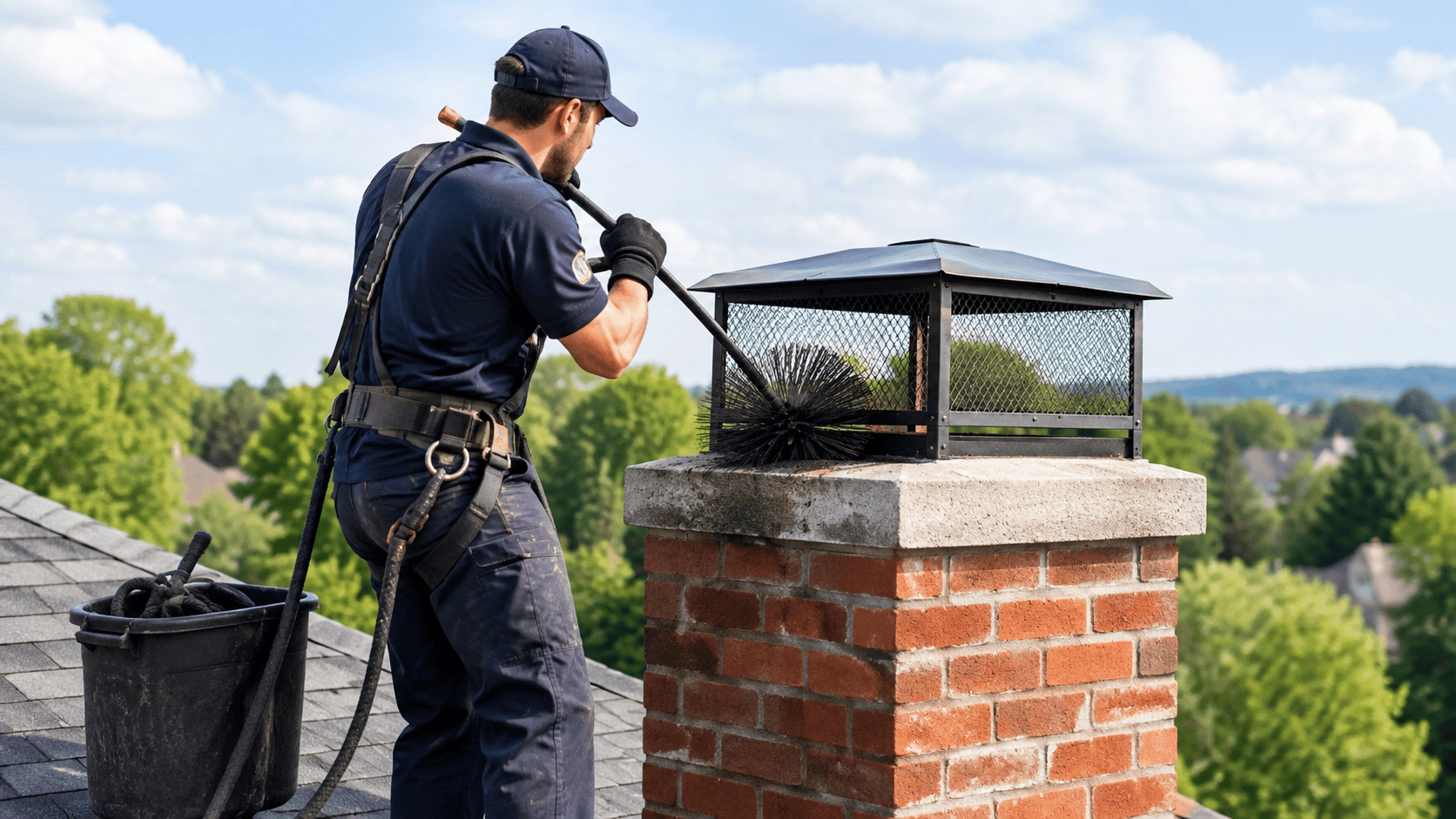
Nothing happens until someone actually gets eyes on the problem, usually from roof level. Cracks and wear that look minor from the ground can look pretty different up close.
Figuring Out the Real Extent of the Damage
Not every crack is created equal. Some are purely cosmetic. Others point to something deeper. Sorting out which is which determines whether this is a patch job or something more involved.
Cleaning and Prepping the Area
Not every crack is created equal. Old sealant, loose debris, and deteriorated material all need to come off before anything new goes on. Skip this step and even a good repair material won't bond properly.
Fixing Cracks
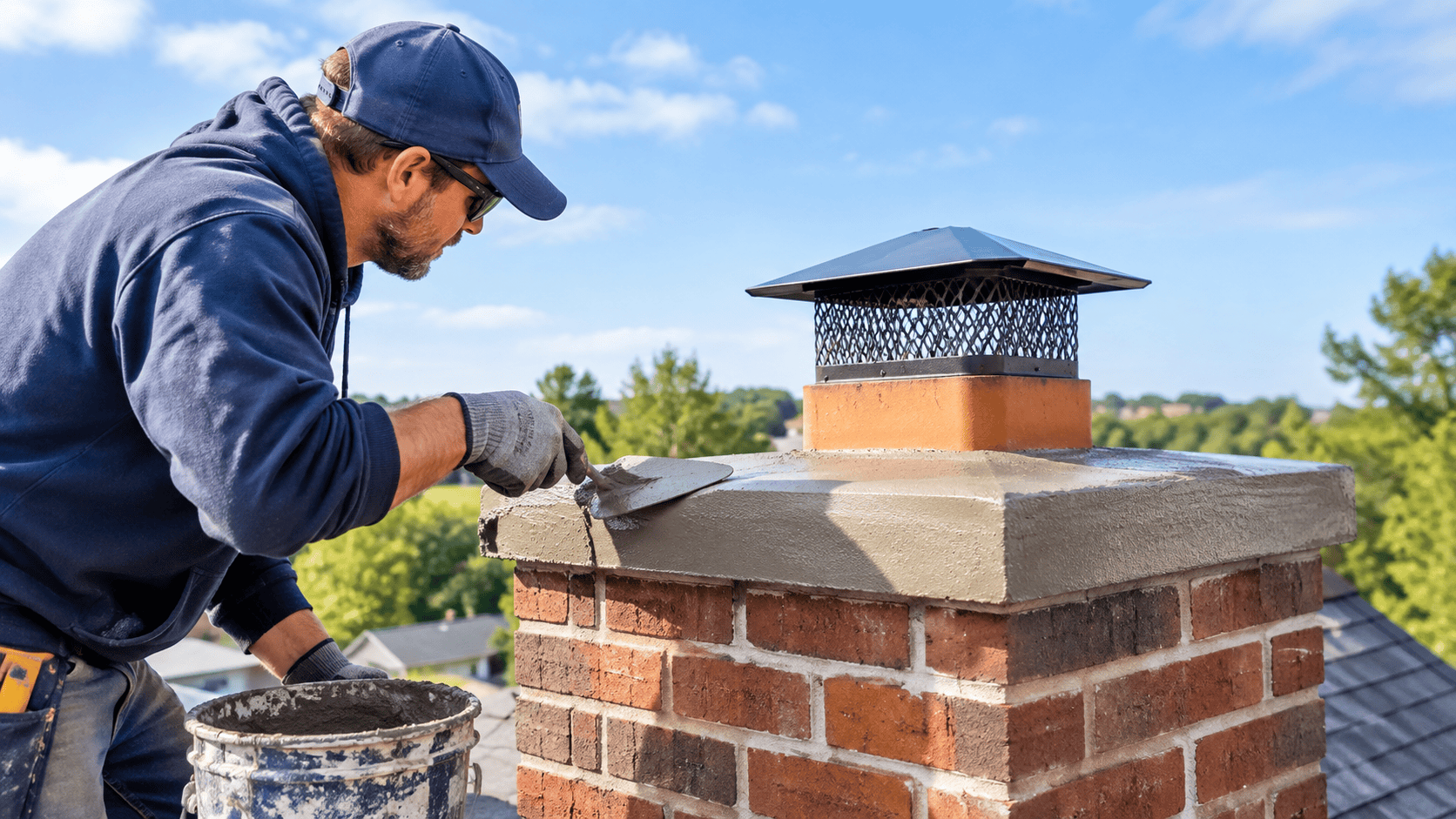
Smaller cracks typically get filled with masonry-grade repair compounds — products built to bond with the existing crown and flex a bit as temperatures change, rather than crack right back open.
Rebuilding When It's Too Far Gone
Sometimes a patch just isn't realistic. Large spalled areas, structural cracking, or crumbling edges often mean part (or all) of the crown needs to be rebuilt rather than repaired.
Using the Right Materials
Concrete crowns and mortar wash crowns aren't repaired with the same products. Matching the material to the crown's original construction matters for how well the fix holds up.
Waterproofing, If It Makes Sense
A breathable sealant is sometimes applied afterward to add another layer of protection, without trapping moisture that's already in the masonry.
Correcting Drainage
If poor drainage played a role in the original damage, this is the point where that gets addressed — adjusting slope or overhang so water actually sheds the way it's supposed to.
One Last Look
Once everything's done, a final check confirms the repair actually solved the problem and the crown is back to doing its job.
If you'd like a closer look at what this process typically involves for a specific chimney, MCP Chimney Services, Inc walks through what a professional evaluation and repair generally covers.
Chimney Crown Repair vs. Chimney Crown Replacement
Not every damaged crown needs to be torn out and rebuilt. But not every crack can simply be patched over, either.
Repair usually makes sense when:
- Cracking is limited and hasn't affected the crown's structural integrity
- Damage is mostly surface-level, like minor spalling
- The slope and drainage still work as intended
- The masonry underneath hasn't taken on significant damage yet
Replacement or a rebuild tends to come up when:
- Cracking is widespread or structural
- Large sections have crumbled or come apart
- The crown wasn't built well to begin with — no proper slope, no overhang
- Repairs keep happening and the leak keeps coming back
- Age and overall condition make a patch a short-term fix at best
An inspection is really the only reliable way to know which category a given chimney falls into. And it's worth saying plainly: some crowns just can't be repaired in any lasting way — they genuinely need a rebuild.
How Crown Repair Helps Prevent Water Damage
The chimney crown is essentially the roof of your chimney, and when it fails, water doesn't politely stay in one spot — it spreads.
A damaged crown left alone for too long can let moisture work its way into:
- The masonry itself, where freeze-thaw cycles cause cracking
- Mortar joints, which weaken and erode with repeated exposure
- The interior of the home, showing up as ceiling or wall stains
- The surface material, causing spalling as trapped water pushes outward
- The broader chimney structure, compounding the damage over time
Dealing with crown damage sooner rather than later is one of the more effective ways to head off this chain reaction — and to avoid the kind of extensive, costly repairs that come from years of unaddressed water intrusion.
Chimney Crown Repair and Tuckpointing Services in Frederick County, MD
Crown damage and deteriorating mortar tend to go together. Once a crown's been compromised for a while, water often makes its way into the mortar joints on the chimney's upper courses.
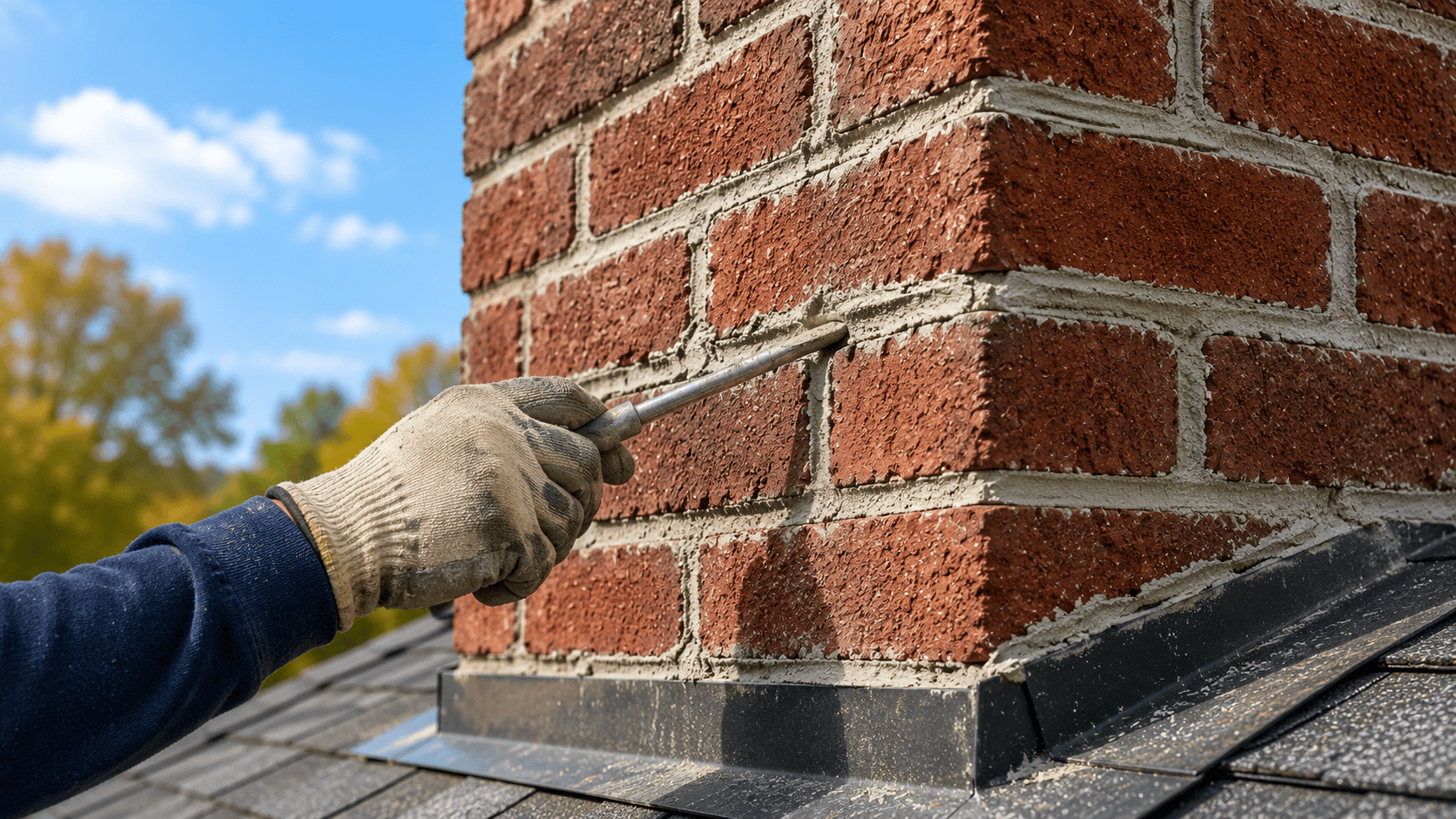
That's where tuckpointing comes in — also called repointing. It involves removing worn-out mortar between the bricks and replacing it with fresh mortar, restoring both structural strength and weather resistance to the masonry.
If you're dealing with crown damage, don't be surprised if a professional evaluation also recommends tuckpointing services in Frederick County, MD, especially when:
- Mortar near the top of the chimney is crumbling or missing altogether
- Water staining suggests moisture has already reached the masonry
- The chimney is older and hasn't seen much recent upkeep
- Cracks in the crown have been around long enough for water to get in
Fixing the crown while ignoring deteriorated mortar can leave part of the water problem unresolved which is why the two are so often looked at together during a full chimney inspection.
When Should Maryland Homeowners Repair a Chimney Crown?
Timing matters more here than people expect, mostly because of what Maryland weather does to existing damage. Cold winters, humid summers, and a decent amount of rain year-round all speed up crown deterioration once cracking has started.
As a general rule, it's worth addressing visible crown damage:
- Before winter's freeze-thaw cycles get a chance to widen existing cracks
- As soon as you spot cracking or staining, rather than waiting to see if it gets worse
- During milder, drier stretches of weather, so repair materials can cure the way they're supposed to
- Alongside any other planned chimney or roofing work, so related issues can be handled at once
Waiting until a small crack becomes an obvious leak almost always means a bigger repair—and a bigger bill—than if it had been caught earlier.
Choosing Reliable Chimney Services in Maryland
Who you hire to inspect or repair a chimney crown makes a real difference. When you're evaluating reliable chimney services, a few things are worth checking for:
- A genuinely thorough inspection. Someone who looks at the whole chimney system — not just the spot you called about — is more likely to catch related issues like flashing damage or eroding mortar.
- Real masonry experience. Crown repair and tuckpointing both call for actual masonry knowledge, not just general handyman or roofing familiarity.
- A focus on where water is actually coming from. Good technicians trace leaks back to their source instead of just patching the visible symptom.
- Straightforward explanations. You should walk away understanding what they found, why they're recommending what they're recommending, and what your options are — not just handed an invoice.
- Familiarity with Maryland conditions. Knowing how local weather affects chimney masonry tends to show up in the quality of the repair.
Taking a bit of extra time to find someone who checks these boxes usually means the problem actually gets solved — instead of you calling again in a year for the same thing.
Final Thoughts
It's easy to forget about your chimney crown right up until it starts causing problems — and by then, the fix is often bigger than it needed to be. Catching cracks and early wear while they're still minor is almost always cheaper and less disruptive than waiting for years of water intrusion to do real damage to the masonry underneath.
If you've spotted cracking, staining, or other signs of wear on your chimney crown, it's worth having it looked at by someone who knows what they're doing. For homeowners in Frederick County and across Maryland, getting ahead of crown damage — and any tuckpointing or masonry work it might reveal — is a lot easier than dealing with the consequences of putting it off.
Frequently Asked Questions
How much does chimney crown repair cost in Maryland?
It really depends on the chimney's size, how extensive the damage is, how accessible it is, and what materials the repair calls for. The best way to get a real number is to have it inspected.
Can a cracked chimney crown be repaired?
Often, yes — especially if it's caught early and the damage is limited to the surface. More extensive or structural cracking, though, may call for a partial or full rebuild instead.
How long does chimney crown repair take?
That depends on how bad the damage is, what kind of repair is needed, the weather (materials need time to cure properly), and how easy the chimney is to access. Minor repairs are naturally quicker than a full rebuild.
When does a chimney crown need to be replaced?
Usually when the damage is widespread, the crown was poorly built in the first place, previous repairs haven't stopped the leaking, or the structure underneath has been significantly compromised.
How long does fireplace installation take?
Timing depends on the system, prep work, and any masonry or structural changes needed.
How often should a chimney crown be inspected?
Once a year is a reasonable baseline, plus after any particularly severe storms or if you notice signs of damage in between.